El Camino Pilgrimage Walk
Tue, Oct 13th 2026 at 6:30 pm - 8:30 pm
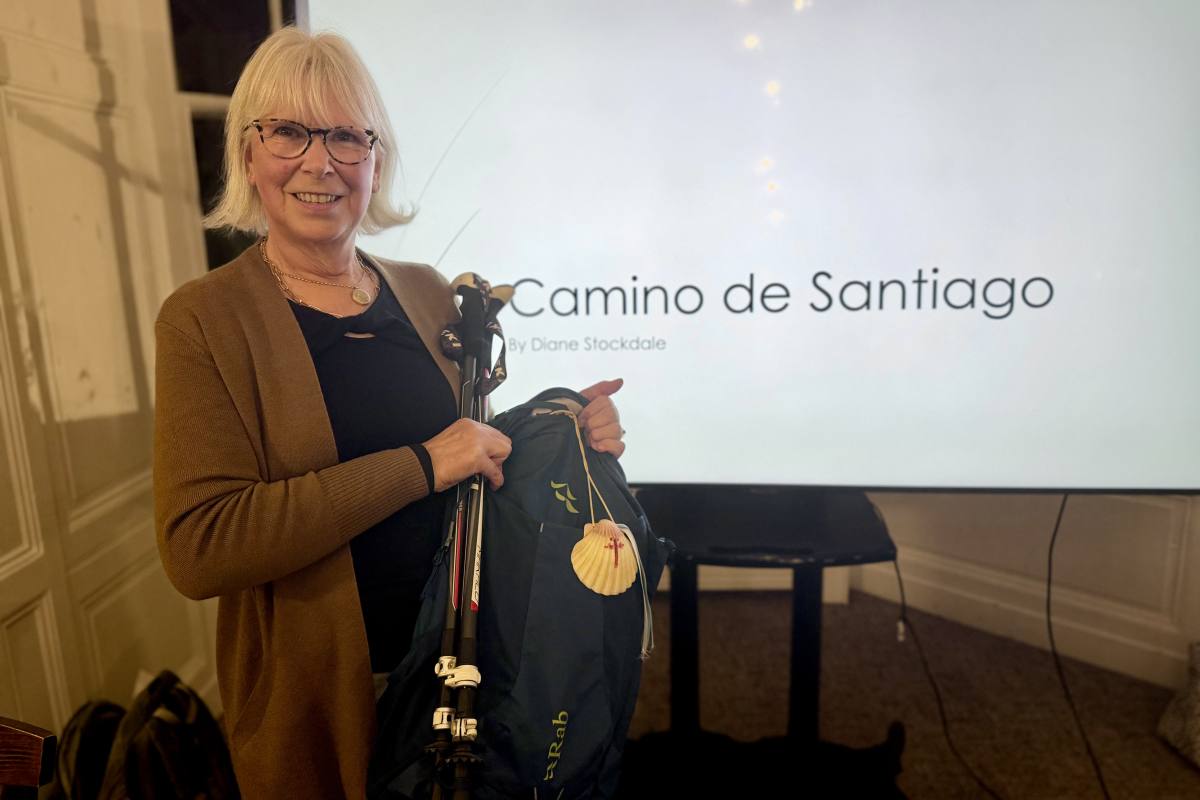
Guest Speaker - Diane Stockdale
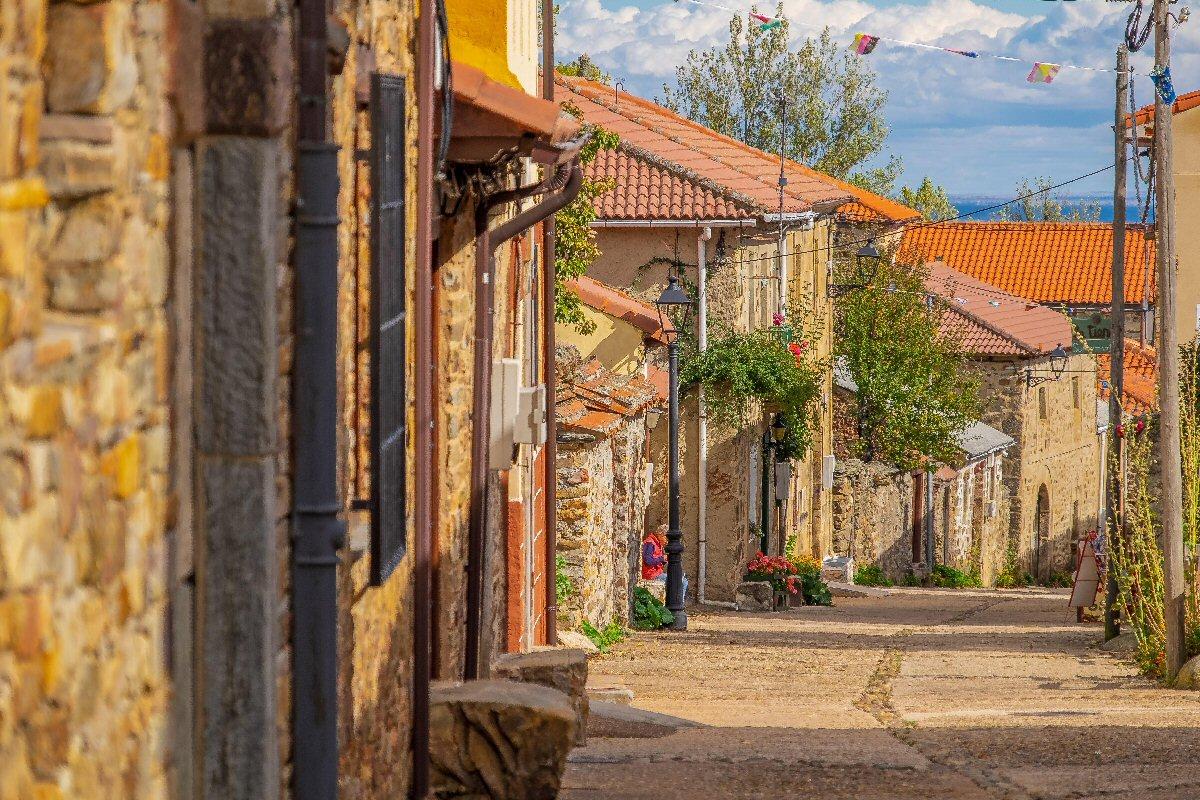
Two Caminos and a Lesson in Slowing Down
Members of the Rotary Club of West Fife were taken on a virtual walk to Santiago de Compostela when Diane Stockdale spoke about her two pilgrimages along the Camino.
Diane explained that the idea began during lockdown, when walking was one of the few things people were allowed to do. She and a friend who also lived alone formed a support bubble and walked further from home each week. As they chatted about future plans, their phones, she joked, were "listening in", and suggestions for long-distance walks soon appeared. Once restrictions lifted, they decided to give a Camino a try.
She began by clearing up a common misconception. "Camino" simply means path or way, and there is a whole network of routes, not just the famous 800km French Way. Each one is a historic pilgrim path leading to the shrine of the Apostle St James in Santiago. To qualify for a Compostela, the certificate awarded on arrival, walkers need cover only the last 100km, or cycle 200km. Nearly half of all certificate holders walk just the final section of the French Way. Diane, however, wanted to complete an entire route, so she chose two of the shorter ones.
The first, in 2023, was the English Way, the route medieval pilgrims from Britain and Ireland took after crossing by ship to Ferrol in north-west Spain. Just over 100km long, it attracts only about six per cent of pilgrims, and Diane, then a teacher, walked it in July. The route begins along the coast before heading inland through farmland and forest, and she completed it in six days. Afterwards she and her friend spent a few days in Santiago and took a bus to Cape Finisterre, long known as "the end of the world".
Her second Camino was the Portuguese Coastal Route, increasingly popular, starting from Porto. With the Atlantic on their left, it was hard to go wrong. Over 12 days they walked between 12 and 30 kilometres daily, enjoying rugged coastline, beaches and seaside villages. Sand proved a hazard for blisters, and cities were the only places where waymarkers became confusing enough to make them reach for a phone map.
Both walks were booked through Santiago Ways, which arranged hotels and moved luggage between stops. Diane explained that many pilgrims instead carry everything and stay in hostels, where beds are first come, first served. Her approach meant no rushing to claim a bed, leaving time to explore churches and villages. "This was a holiday as well as a pilgrimage," she said.
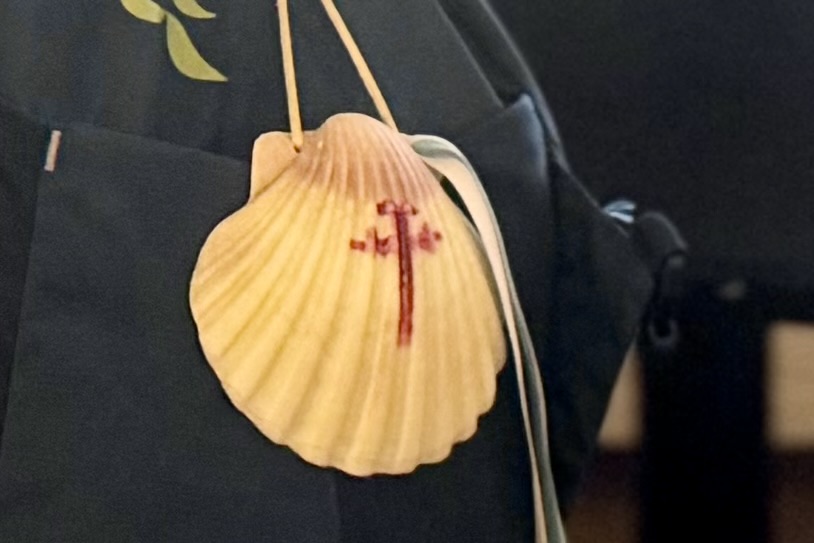
She described how pilgrims carry a passport that must be stamped twice a day at cafés, hotels and even stalls in people's gardens, as proof of the journey. Waymarkers, a shell with an arrow and a distance, are excellent in Spain. Walkers can chat or keep to themselves, and Diane met many people travelling through life changes such as bereavement, divorce or illness.
Arriving in Santiago, she said, was deeply moving. Pilgrims gather in the square before the cathedral, reluctant to leave, sharing a sense of belonging, and a daily pilgrims' Mass draws walkers who may have been on the road for a month or more. Remarkably, rain fell only once across both walks, a couple of hours before reaching Santiago.
Diane finished with practical advice. Walking poles save knees and joints, and pegs let you dry socks on your rucksack. Her favourite tip, learned in New Zealand, was natural lamb's wool for blisters, which moulds to the foot and sock and brings protective lanolin.
She also reflected that medieval pilgrims, some walking as penance, had to walk home again too!
Past President Sandy Paton gave the club's formal vote of thanks:-
"I had expected to come and hear something very religious, struggling against the elements and all the rest of it going to Santiago. I take my hat off to you for making it so casual and making 100 miles no problem.
"I think you take lots of satisfaction out of having done those walks, enjoyed it and wanting to go back. So thank you very much for enlightening us, because I certainly hadn't appreciated this side of it. We're delighted you could come and talk to us, and we really do appreciate it. Thank you."
'What We Do' Main Pages:

Information and application form. Scroll down to see who has benefited from our grants programme.
more


Primary Schools linked to Rotary Club of West Fife:- Blairhall, Cairneyhill, Carnock, Crossford, Camdean, Culross, Inzievar, Holy Name, Limekilns, Milesmark, St Serfs, Saline, Torryburn, Tulliallan. Secondary Schools:- Queen Anne and Woodmill
moreOiling the West Fife Club's Rotary wheel
more


The club has a varied and interesting sports programme incorporated under the Entertainment Programme. .
more

Paul Harris Fellowship Awardees
more