Speaker Dr Sufyan Abid Dogra - Bradford Youth Resilience Programme
Wed, Sep 2nd 2026 at 12:00 pm - 2:00 pm
Dr Dogra told us about his work on the Bradford Youth Resilience Programme as part of Born in Bradford. Speaker finder M. Atif Visitors Host Grace and Banners Peter Meredith Cash Desk Ken Senior
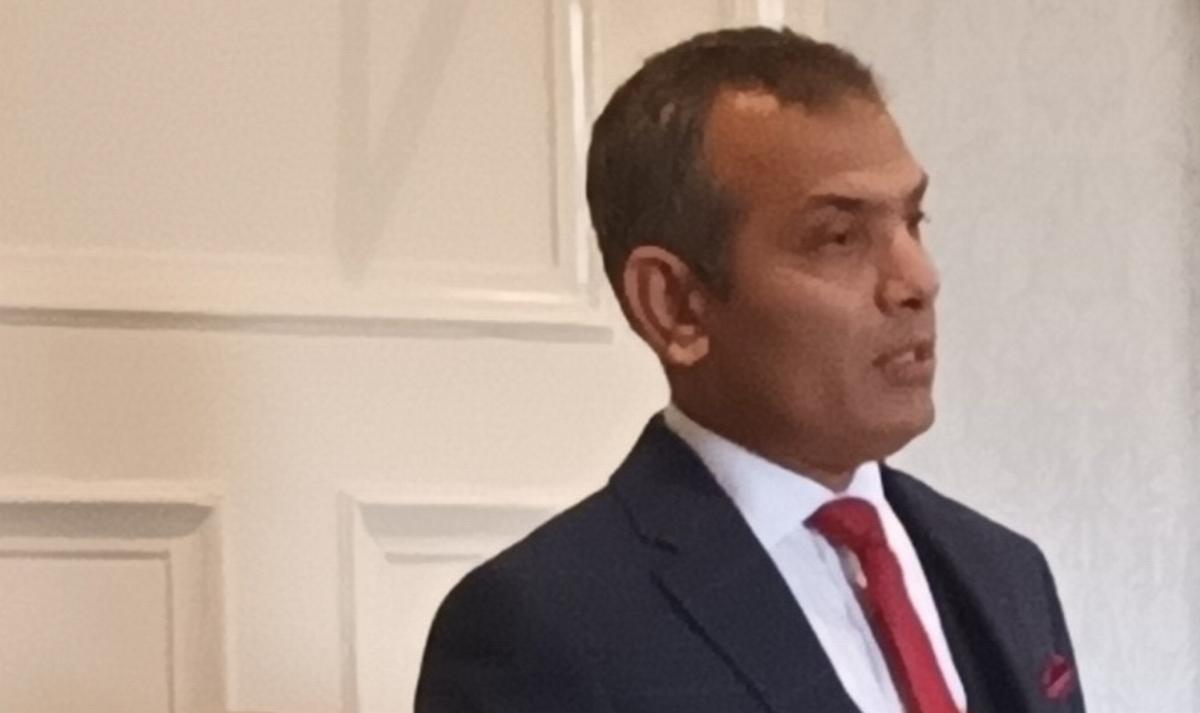
Sufyan is Principal Research Fellow at Bradford Institute for Health Research. Originally from Lahore in Pakistan, he came to the UK to the University of Sussex where he achieved a Phd. He works at Born in Bradford (BiB) on various projects with partners from Welcome Trust, Sports England, Youth Endowment Fund, Bradford Council and the University of Bradford. BiB was started because of the high rate of infant mortality in the region. It is based at Bradford Royal Infirmary where it recruits information from many thousands of people.
His latest programme which he has worked on for the last 4 years has been aiming to build youth resilience against harms of violence, drugs, alcohol and risk of exploitation through positive experiences of growing up which allow development of trusting relationships with mutual respect. To do this they have taken 100 teenagers aged between 12 and 16 from the 30,000 participants in the BiB programme. They then interview 25 of them every year in detail to establish the details of their life history. From this evidence they are able to get empirical comparisons of individuals on such things as what is affecting their health and wellbeing.
They have learnt that obesity among children from the ethnic minorities is 10% worse than among white children. They also established that children in the Barkerend / Bradford Moor area of Bradford were at the highest risk of exploitation. The next areas being Holme Wood and Manningham. The Barkerend area is one of the 10 most deprived areas in the whole of England.
From this information they were able to get a £1 million fund from the Home Office to create the Barkerend Youth Resilience Programme. Last year in this area one teenager was murdered by other youths. The plan is to get the whole neigbourhood involved. It took the first 18 months to build a steering group. To do this they involved 24 organisations including faith, sports, dance and other bodies. From these they held 18 discussion groups with adults and 18 with young people of which 6 were focus groups, 7 were discussions groups and 4 concentrated on UK citizenship.
Out of this came a list of problems: -
- Normalisation of violence and anti-social behaviour
- Limited places and things to do for young people age 11-16
- Lack of opportunities for young people to explore ambitions
- Parents lack awareness of risks young people face and where they can get support
They also learnt that familiarity with the area encourages feelings of safety. Also, there was a need for all the community organisations to work together to benefit everyone in the area. There were also specific concerns for girls: -
• They feel unsafe about doing things outside the home.
• Parental protection of young girls limits opportunities
• Toxic masculinity within power dynamics excludes women’s voices
• There are limited safe spaces where they can engage with sports and physical activity in culturally appropriate ways.
From this came the 3 themes that form the core of the Barkerend Youth Resilience Programme: -
- “Capacity Building, Youth Forum and Small Grants” with the aim of giving small grants to small grass roots organisations to increase capacity.
- “Encouraging Positive Mental Health” to connect young people with mental health support and give the opportunities for activities such as sport, physical activities and creative projects.
- “Role Modelling & Career Support” to promote positive role models and mentors to give career support.
A key element of building the project was to get the communities involved. To do this they had to be peace builders between groups with historic grievances such as that which exists between ethnic Pakistanis and ethnic Bangladeshis. Once they pulled the diverse groups together, they then asked young people to prioritise what should be delivered. They specifically involved females and marginalised groups in the decision making.
Out of the work there are 5 key tips for involving community groups in preventing youth violence: -
- Identify high risk groups.
- Invest time and effort in community involvement.
- Include relevant cultural narratives to supplement violence prevention messaging
- Inform local mechanisms/systems for delivery of funds
- Involve neigbourhood community groups, activists, female led initiatives, & faith settings working with children and families.
Next year towards the end of the 5-year funded programme work will be undertaken to analyse whether it has had any effect. When asked how this would be judged Sufyan said that they would look at the data collected from the students on substance abuse, bullying and social media use and compare this to data from the police, local council and drug organisations. With regard to drug abuse, he said that they had found that children start off using laughing gas, but gradually progress to harder drugs. In doing so they get pulled into selling drugs to either sustain their habit or in some cases just to be able to afford fancier goods such as cars.
The Youth Resilience Programme website can be found at https://bradfordyouthresilience.co.uk
For more information about Born in Bradford please see their website - https://borninbradford.nhs.uk/
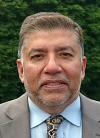 Contact Muhammad Atif about this page:
'What We Do' Main Pages:
Coming under Community this part of the group exists to undertake environmental projects on behalf of the club.
more
This committee provides the link with Rotary Internationals main charitable trust which primarily deals with projects having a global nature.
more
Rotary is not just about doing good deeds but also about enjoying yourself and this committee organises social activities. This page contains an archive of some of our activities.
more
This committee works with the other committees to help them raise funds for their individual projects to support charities locally, nationally and internationally.
moreThis is the vehicle that donates the money that we have raised to the various good causes that we support. Its official name is The Rotary Club Of Bradford Blaize Trust Fund and its registered number with the Charity Commission is 514621.
moreThis committee organises social events and deals with the day to day running of the club.
moreThis committee exists to provide PR and communications between the members and also to provide links to non members through the web site and Facebook.
more