Speaker Charlotte Stern from Epilepsy Action
Wed, Jul 22nd 2026 at 12:00 pm - 2:00 pm
This organisation is one of the President's nominated charities for the year and Charlotte came to tell us about Epilepsy and the work of the charity. Speaker finder Roy Tate Visitors Host Grace and Banners Mike Clewes Cash Desk Derek O'Hearne
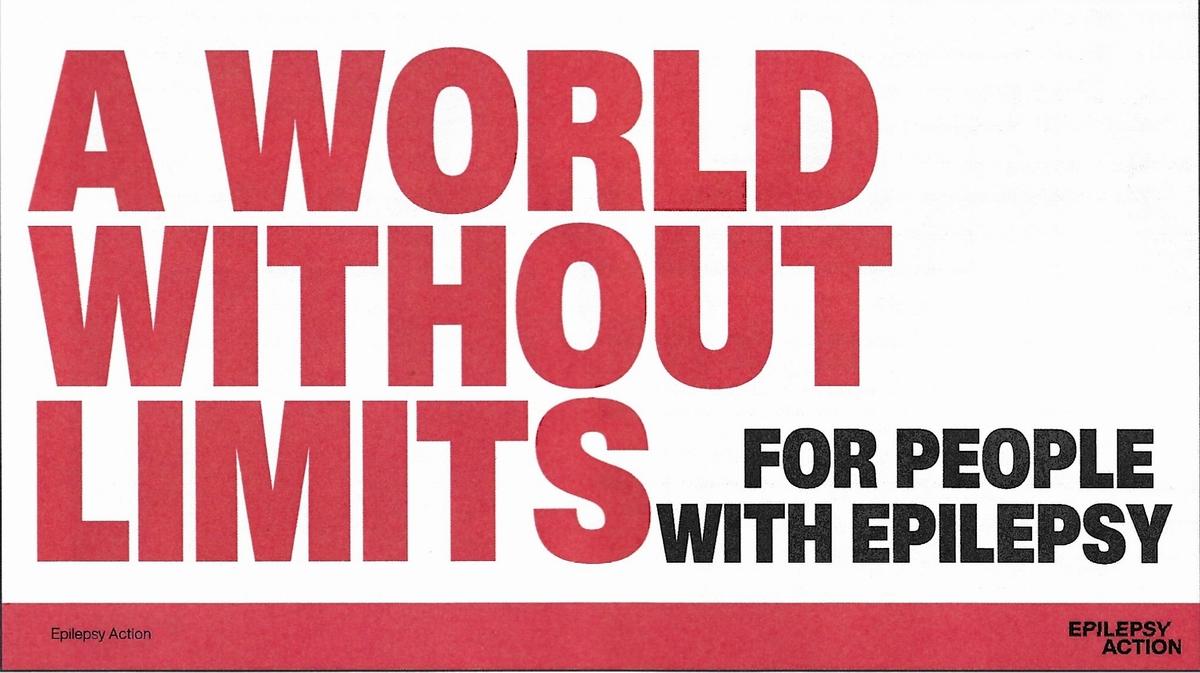
Charlotte said that the current strategy of the charity is to create “A World Without Limits”. It is a national charity covering all of the UK but is based in Yeadon. There are currently over 630,000 people in the Uk with epilepsy (about 1 in every 100), but the condition affects millions because of the wide range effect it has on family and colleagues.
She gave an example of a colleague of hers at the charity called Simon. He was diagnosed with epilepsy in 1996 after repeated tonic-clonic seizures (previously known as a grand mal) where the muscles stiffen, consciousness is lost, and there is a rhythmic jerking of the limbs. This significantly affected his independence, livelihood, and mental health. It caused him to lose his driving licence and his job. On one occasion he had a seizure while waiting to catch a train and fell onto the train tracks. He became seriously depressed and isolated. Thankfully his epilepsy is now controlled by medication, he is seizure free and now works for the charity.
People think they understand believing it’s caused by flashing lights (photosensitive epilepsy) which causes people to fall over. They think it is not a serious illness, it’s uncommon and it will not happen to them. In fact, there are over 40 different types of epilepsy with onset occurring at any age. Every day 80 new people are diagnosed with the problem in the UK and 3 people die because of it.
The type of epilepsy mentioned above (photosensitive epilepsy) became a problem in Japan when Pokémon was first aired on television. The flashing lights in the cartoon caused an influx to hospitals of children who had had seizures brought on by the flashing lights. This is why now there are warnings on television shows when there are going to be flashing lights.
An epileptic seizure is caused by a sudden burst of electrical activity in the brain. Epilepsy is when somebody tends to have repeated seizures. There are different kinds of seizure, and the symptoms depend on which part of the brain is affected and how fast it spreads. Some seizures can involve the shaking that people generally associate with the condition but in other cases the suffer may just become catatonic and people think they are daydreaming.
Triggers for seizures can include: -
• Missed doses of medication
• Stress
• Alcohol and other recreational drugs
• The menstrual cycle
• Tiredness or lack of sleep
Help for somebody suffering a Tonic Clonic Seizure: - CARE
1. C - Provide comfort
2. A - Take action to ensure they are safe
Make sure they can breathe safely but do not put your finger in their mouth to ensure the tongue is free.
3. R - Reassure them
Talk to them calmly and let them know you are there and will look after them.
4. E - Treat it as an emergency
Call an ambulance if: -
• You know it’s the first time the person has had a seizure or
• If the person is injured during the seizure or
• If you think the person needs urgent medical help or
• If the seizure lasts more than 5 minutes or
• If one tonic-clonic seizure follows another without the person regaining consciousness between seizures.
The services the charity provides: -
1. A Freephone Helpline which in 2025 handled 10,165 enquiries of which 574 were in
West Yorkshire. Telephone 0808 800 5050
2. Gives one to one peer support by contacting people struggling with social isolation by
matching them with a volunteer and by organising regular meetings with the volunteer.
In 2025 355 people were matched with a volunteer.
3. By organising talk and support groups that provide a safe space for people with epilepsy
to meet others affected and share their experience. In 2025 there were 40 groups each month.
4. By providing e-learning courses with activities and videos to increase people’s
understanding of the condition. In 2025 44,526 people registered for these courses.
5. On their web site there are a wide range of resources for people to access free. Last
year the web site hosted 1.6 million visitors.
6. They deliver epilepsy awareness training sessions for both employers and health
professionals. In 2025 training was given to over 45,000 individuals and organisations
to improve awareness and workplace practises. Of these 3,070 new users were from
West Yorkshire.
Charlotte said that currently it can take two years to get a diagnosis and the correct medication.
For more information, please see their web site www.epilepsy.org.uk
 Contact Roy Tate about this page:
'What We Do' Main Pages:
Coming under Community this part of the group exists to undertake environmental projects on behalf of the club.
more
This committee provides the link with Rotary Internationals main charitable trust which primarily deals with projects having a global nature.
more
Rotary is not just about doing good deeds but also about enjoying yourself and this committee organises social activities. This page contains an archive of some of our activities.
more
This committee works with the other committees to help them raise funds for their individual projects to support charities locally, nationally and internationally.
moreThis is the vehicle that donates the money that we have raised to the various good causes that we support. Its official name is The Rotary Club Of Bradford Blaize Trust Fund and its registered number with the Charity Commission is 514621.
moreThis committee organises social events and deals with the day to day running of the club.
moreThis committee exists to provide PR and communications between the members and also to provide links to non members through the web site and Facebook.
more