Treasured Possessions 2026 I
We usually have interesting speakers at all our weekly meetings, so for a change we tried something different so members were invited to bring along a treasured possession, and talk about it.
Treasured Possessions 2026 I
A Treasured Find
Roger
And Rupert
A Churchill Crown
Stephen
And the Polyphon
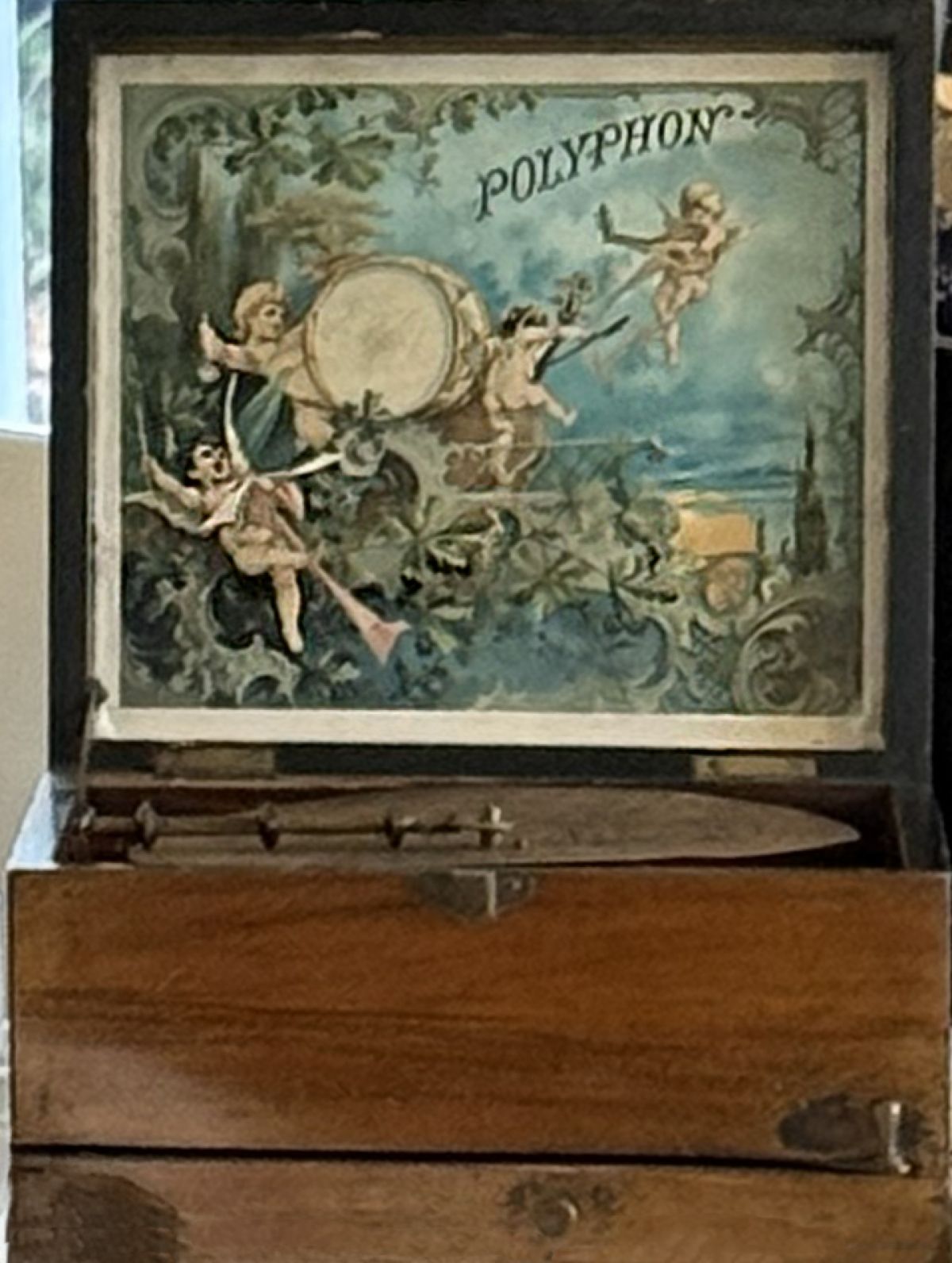
Polyphon
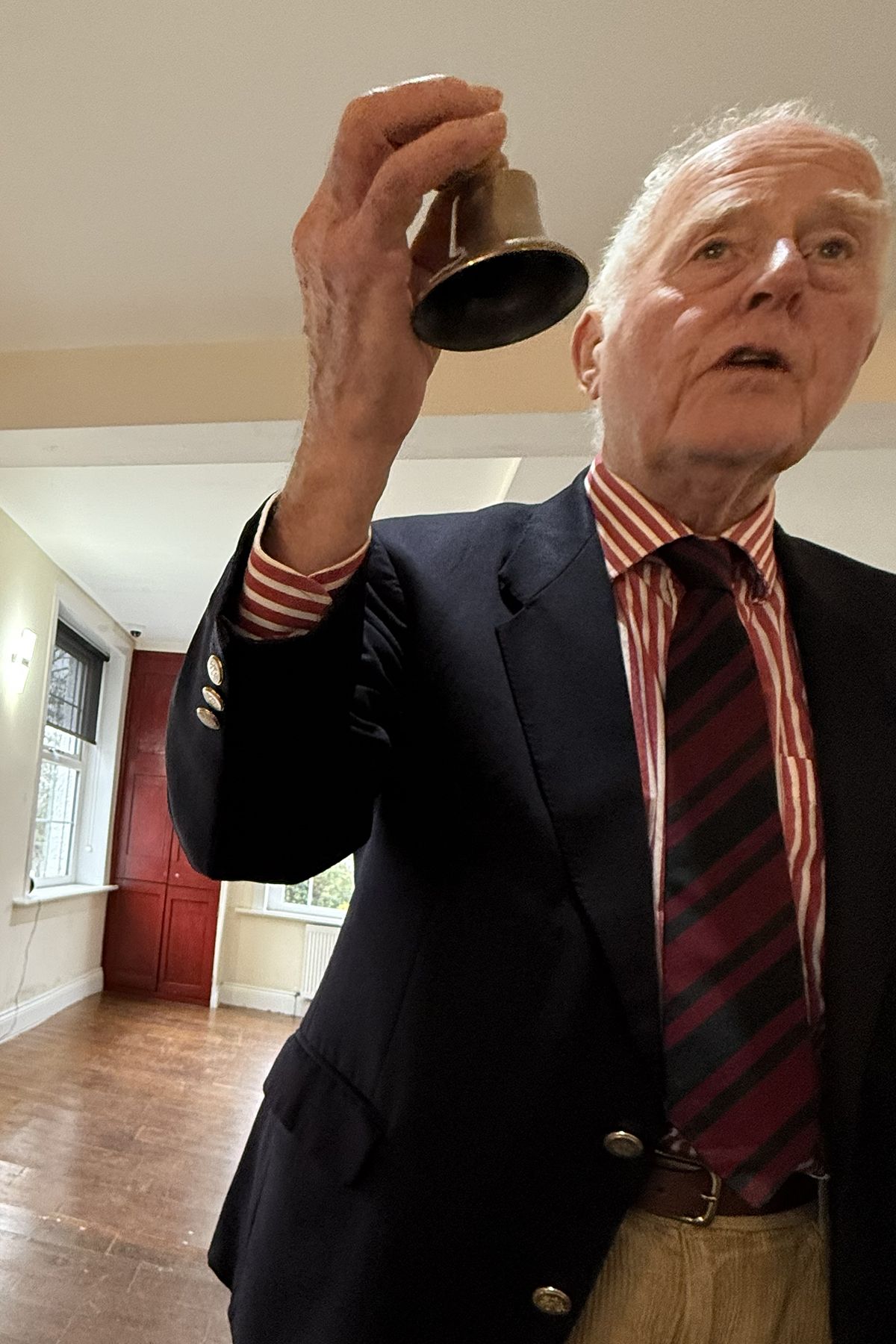
Peter
And his Bell
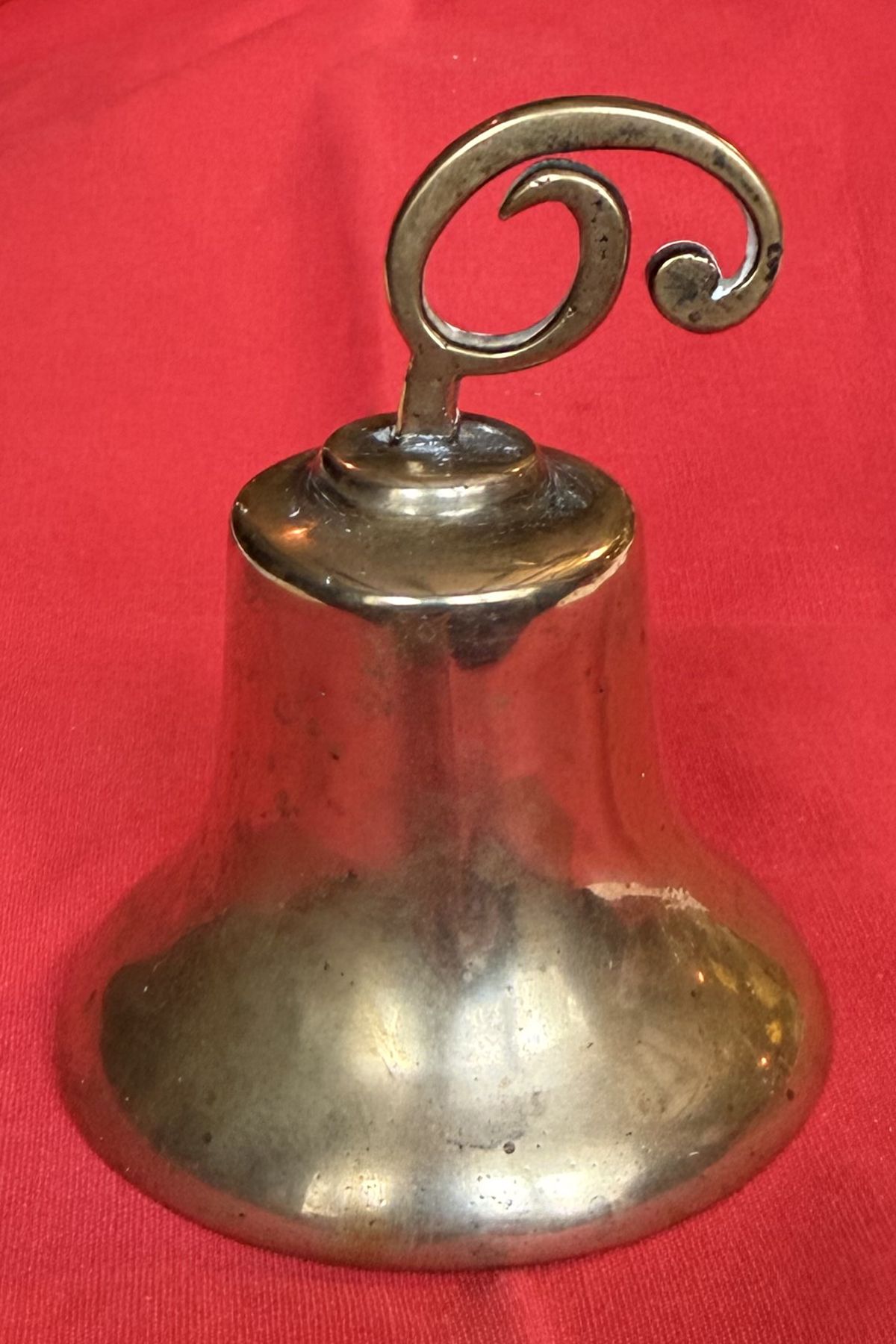
Bell
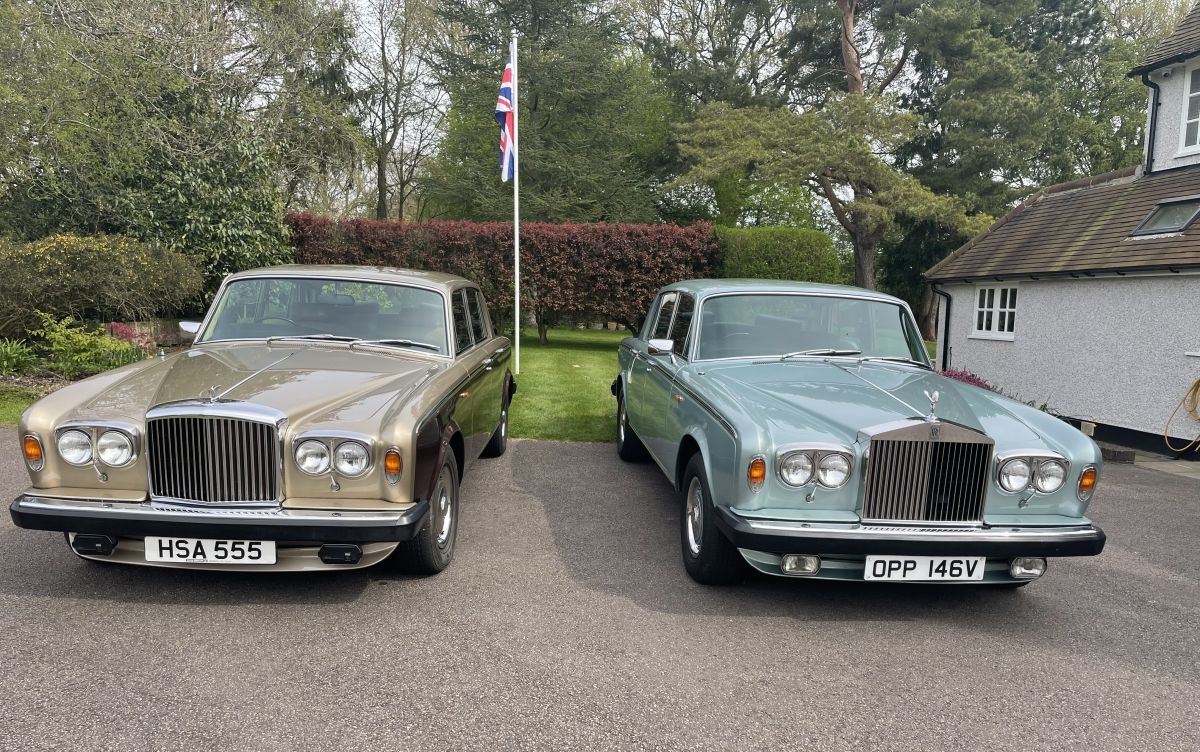
Patrick's Bentley
Treasured Trove
A number of our members sought out some treasured items which they brought to our meeting to explain the significance they held for them.
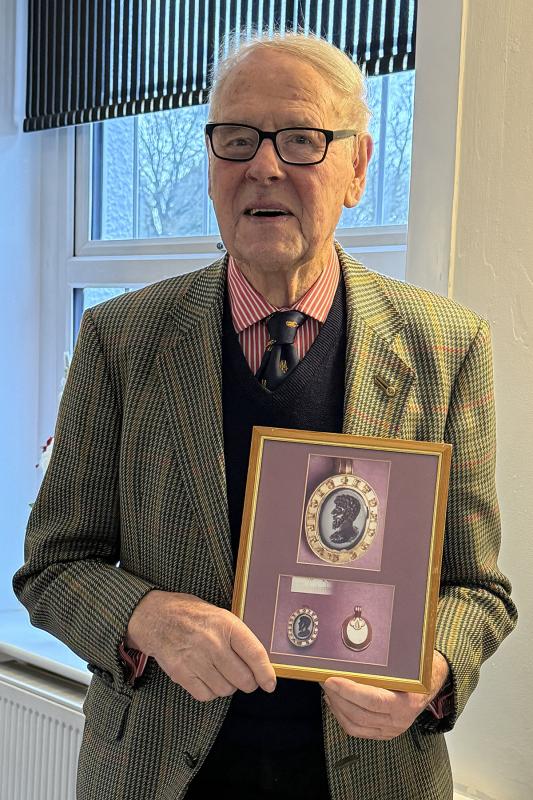
Bert French chose a gold seal which probably dates from the thirteenth century which was found in a field on Bert’s farm by a detectorist. As such it belongs jointly to Bert and the detectorist who found it. It was not possible to bring the actual seal as it is currently in the British Museum but Bert was able to bring a framed photograph for us all to see.
It has not been valued recently but the last Bert heard was that it is worth £10,000. It is surmised that the seal belonged to a high ranking member of the clergy who lost it when walking between churches.
Always Be Vigilant
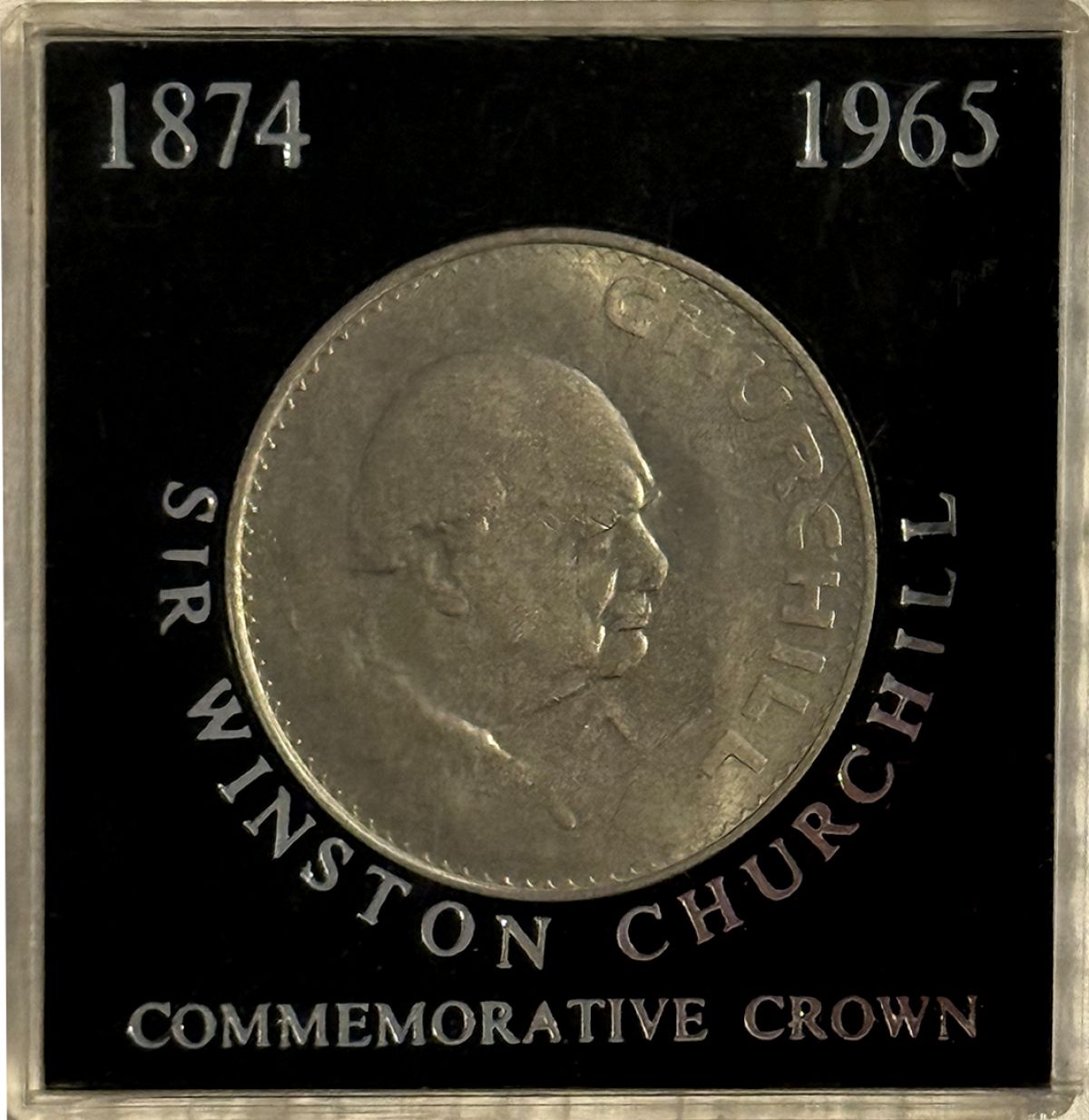
Peter Greene was next and as he said, Bert’s story was a hard act to follow. Peter bought a Churchill Crown that had been given to him by his father. The meeting was on the anniversary of his father’s death and the Crown was a reminder to him of his father, who had bought a number of these “celebratory” coins for his children over the years.
It was also a reminder that as we all get older, even the sharpest of us are prey to scams and cons. Worried about a loss of cognitive abilities, Peter’s father had asked him to do his post each week. This is how Peter found regular credit card payments of over £1,000 to foreign lotteries, and others to astrologists, and Readers Digest. A lesson for us all to be aware as we get older.
Fortunately, he was able to cancel the future payments, and recover monies not yet entered into the lotteries.
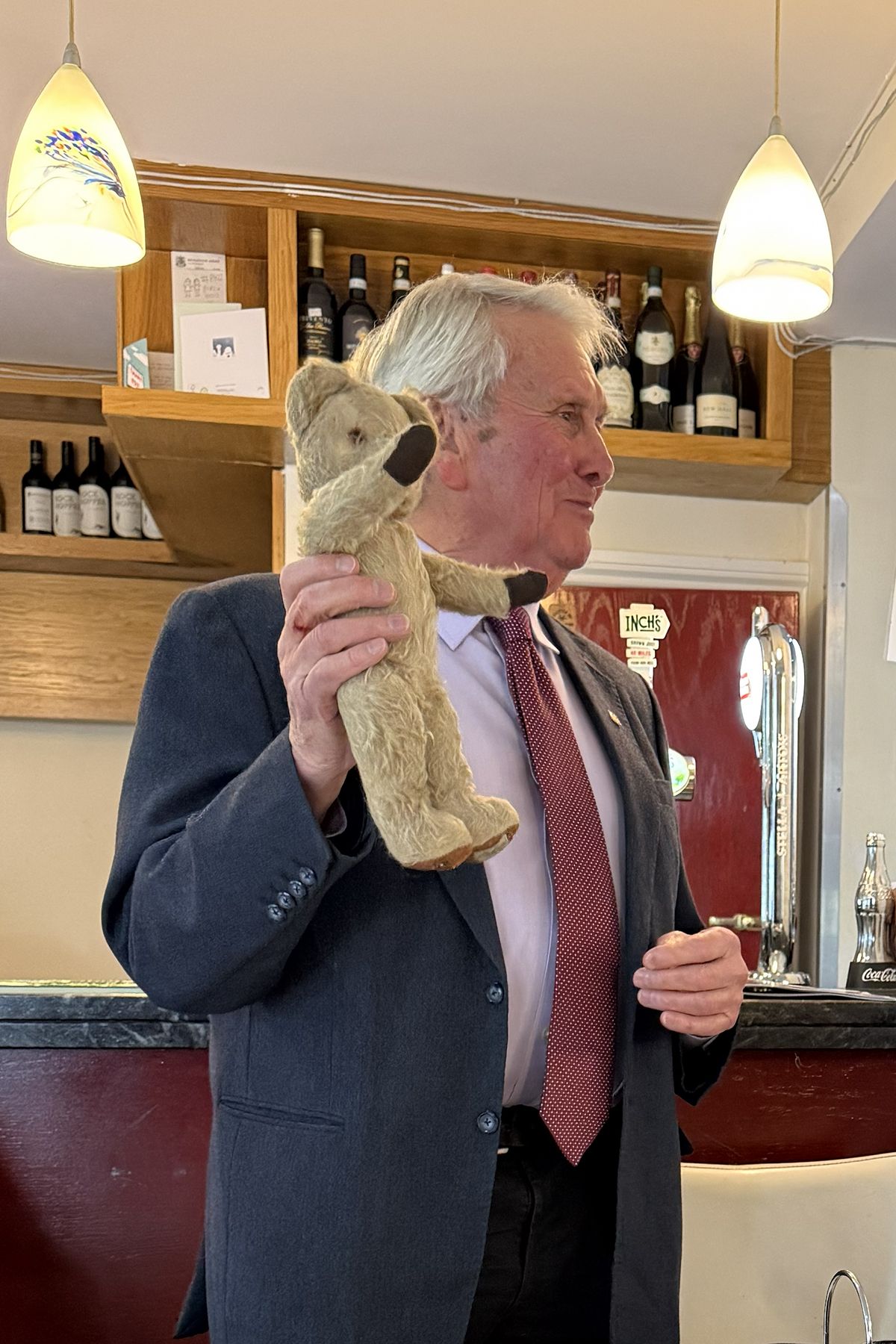
Roger Kettle proudly displayed the Teddy that his Grandmother had given him when he was born. Named Rupert, his Teddy was in remarkably good condition. Roger explained that it reminded him of his childhood and playing in the tunnels and castles at Dover. He reflected that children had a lot more freedom to roam then as compared with the children of today.
Polyphony
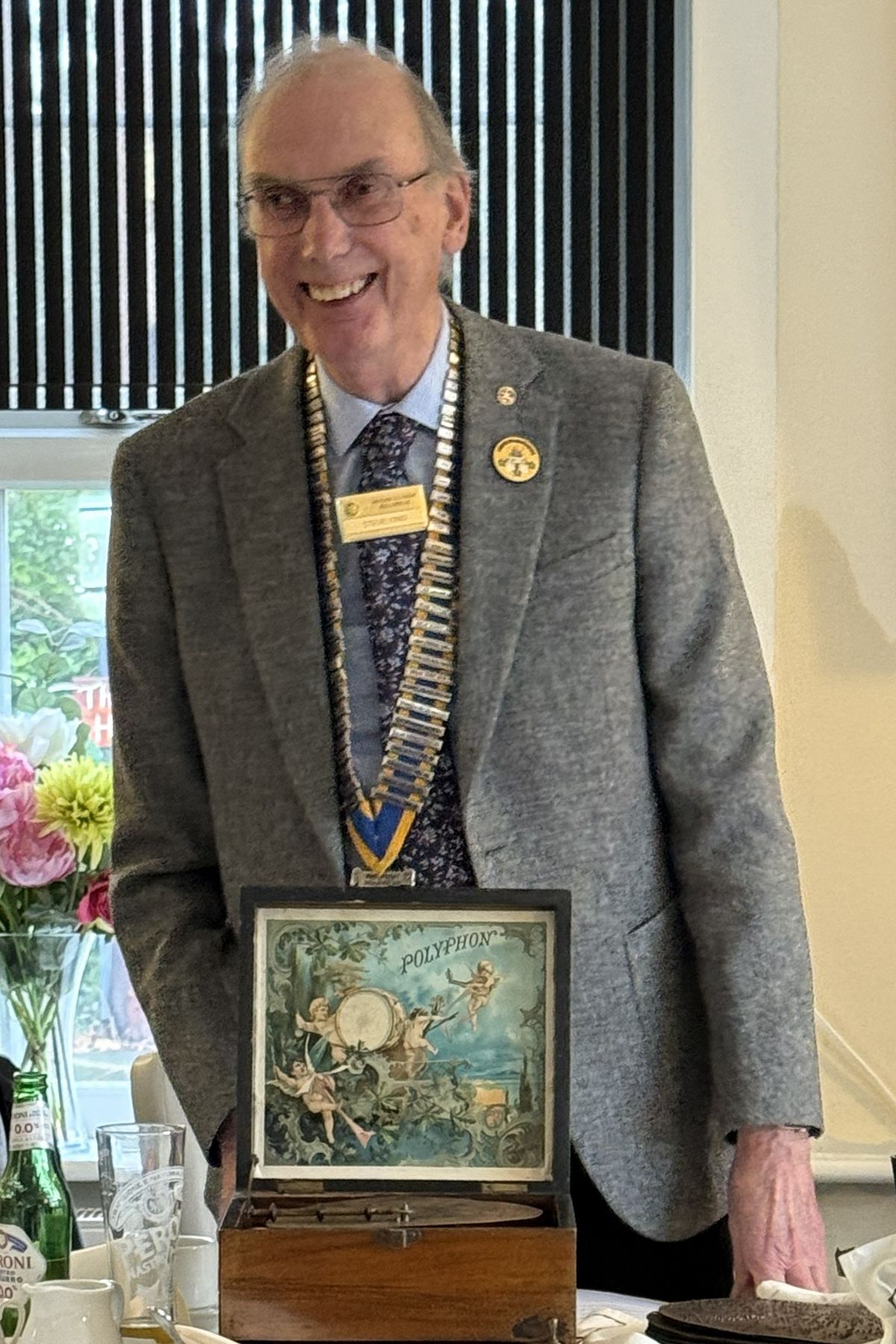
President Stephen King brought along a music box, called a Polyphon, that plays music using metal discs a little smaller than an old 78 plastic record. The Polyphon was given to Stephen when he was eight years old by his grandmother. She explained that when he was about eight years old, Stanley (Stephen’s father) used to take it and a pile of discs into the middle of a nearby field and play the music for hours.
The Polyphon was invented in 1870 in Leipzig and by the end of the 19th Century they were being manufactured in quantity and exported all round the world. They were made in a variety of sizes, from the portable one like Stephen’s, to ones the size of a juke box. Within a few years, new technology in the form of gramophone cylinders, made the Polyphon largely obsolete.
The company responded by setting up the Polydor Record Company in 1913, which continued in various forms beyond the two world wars. In 1954 the British Polydor record label was set up in London and released records by many famous artists including Cream, Moody Blues, the Who, Jimmy Hendricks and Girls Aloud and still releases records today. Metal discs for the Polyphon are still available and small quantities of the machines are still made. Stephen will soon pass on the Polyphon to one of his grandchildren.
Patrick Rothon’s choice was his 1978 Bentley T2 which his father had bought in 1982. The T2 was the Bentley equivalent of the Rolls Royce Silver Shadow but is far less common. It had some features such as air-con and central locking that were unusual in 1978. It has survived the years including rolling into a ditch many years ago. It has recently been treated to a new engine and continues to be the transport choice for family events such as weddings.
Although Patrick did not bring the T2 to the lunch he did bring a model and a photo.
Peter Strong chose a sleigh bell and in his own words: “My cast brass sleigh bell was likely misappropriated as a souvenir of home by my teenage grandfather when he left his St Petersburg relations in approximately 1876. Traditionally in Old Russia, bells were attached to the harnesses of sleighs and troikas to warn others of the approaching vehicle being driven through the snow-bound, smokey, and poorly lit streets of the city.
This bell is my only relic from bygone generations of my paternal ancestors whose Russian names and stations in life are lost . To the best of our knowledge, with the exception of my grandfather Captain Samuel Strong then a river pilot in China, no family members survived the Bolshevik Revolution or Russian Civil War of 1917-1921. Hence the special value I attach to this single antique”.
It proved to be a very intriguing and interesting session and may well be repeated.
back to page above this...

Membership & Social Events
back The Rotary Club of Billericay is part of the international Rotary movement of 1.2 million members and welcomes new members. It is a thriving club with an enjoyable social dimension.