Riding a Tiger along the Maginot Line
Thu, May 28th 2026 at 11:24 am - 7:00 pm
Phil Drabble presents
Club members please log in for more information.
28/05/26 – Travels with a Tiger: Riding the Western Front – Phil Drabble
Phil began by explaining that his presentation would focus on the First World War Western Front, which stretched from Pfetterhouse on the Swiss border, through Alsace and Champagne into Belgium, ending at Nieuwpoort on the Belgian coast. Covering a distance of approximately 475 miles, it was a route that he had ridden the previous year on his Triumph Tiger motorcycle. Although he already had a good knowledge of the Western Front, he was particularly interested in the stories of two Nottingham men: Albert Ball and Alf Schofield.
Inspired by a letter written by a Scottish soldier, Douglas Gillespie, to his parents suggesting that the Western Front should become a modern-day pilgrimage route, historian Sir Anthony Seldon established the Western Front Way Association to help make Gillespie’s vision a reality. To launch the initiative, Seldon walked the length of the Western Front and later recorded his experiences in the book The Path of Peace. After reading the book, Phil was inspired to follow the same route on his motorcycle.
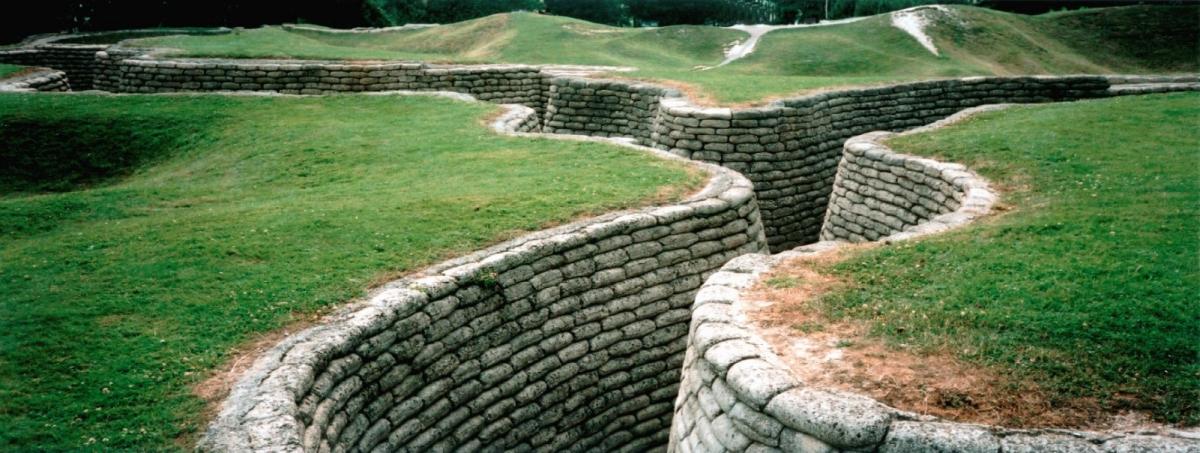
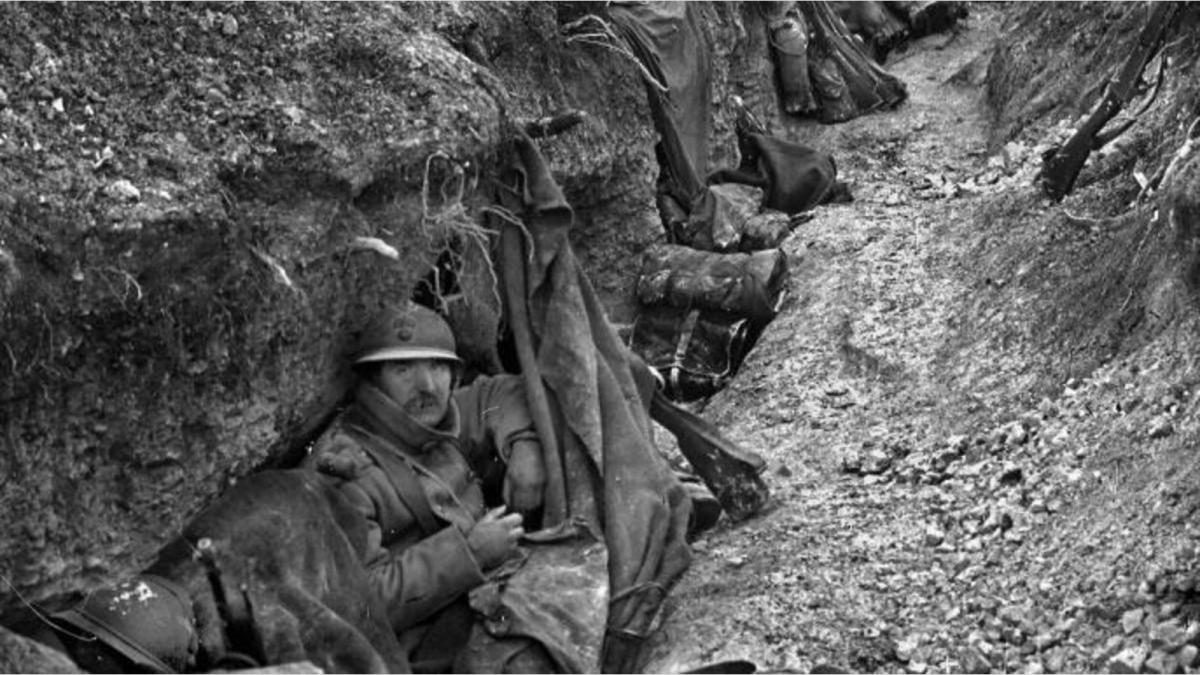
Phil then explained how the Western Front came into being. Following the rapid advance of German forces through Belgium and much of northern France, the French army eventually halted the Germans at the First Battle of the Marne, when they were within sight of the Eiffel Tower. As both sides dug in and attempted to outflank one another, the front gradually extended eastwards and westwards, eventually forming a vast network of interconnected trenches stretching from the Swiss border to the Belgian coast.
Phil began his journey in Alsace, crossing the Vosges Mountains, an area that witnessed some of the bloodiest fighting of the war. He then travelled through Lorraine to the site of what was perhaps the most brutal battle of the First World War: the Battle of Verdun. Here, the Germans sought to “bleed the French army dry” in an attempt to break French morale and military strength.
Continuing westwards, Phil entered Picardy and those sections of the front that were largely occupied by British and Commonwealth forces. In Artois, he visited the area where the Nottingham-born pilot Albert Ball was killed after having shot down 44 German aircraft. It was also here that the other Nottingham man, Alf Schofield, was gassed. Phil had mentioned earlier that his journey was very much a personal one, and it was revealed that Alf Schofield had been his maternal grandfather.
Phil travelled further west, stopping at Vimy Ridge, where many Canadian soldiers fought, and at the Thiepval Memorial, which commemorates the missing of the Somme. On the first day of the Battle of the Somme, around 60,000 British soldiers were killed, wounded, or reported missing, making it one of the darkest days in British military history.
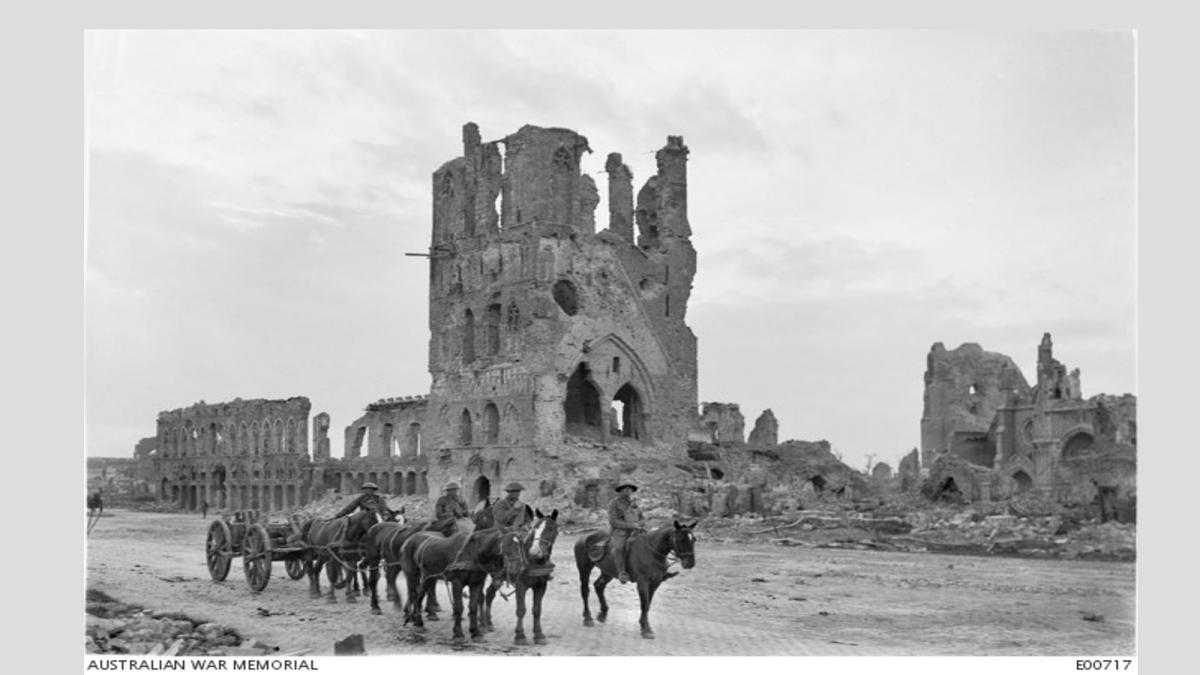
After crossing into Belgium, Phil visited Ypres and the Cloth Hall, which, despite the devastation suffered during the war, has been magnificently restored. It was also in this region that Adolf Hitler served as a corporal in the German Army.
Phil concluded his presentation by showing a video of soldiers singing Take Me Back to Dear Old Blighty.
Stan gave the vote of thanks, saying how much he had enjoyed the presentation and praising its wealth of detail. Having visited Verdun himself, he said he could readily relate to much of what Phil had described. The members joined him in a warm round of applause to thank Phil for an informative and engaging presentation. AR
'What We Do' Main Pages:
We have now successfully run this event for 10 years. Full reports of each year are available under this main page
more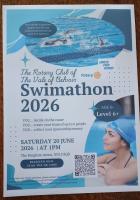
It's here that you can read what we've been up to in the last few months. For more information on our work in the local community, with our young people and internationally please access "what we do" section of this web site.
more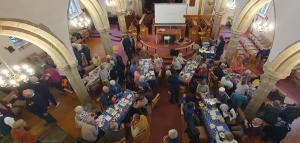
This is a monthly meeting open to visitors from Bingham, Radcliffe, Cotgrave and all villages in surrounding area.
moreThis committee are involved in planning now we can raise funds for our chosen charities
more
If you like what we do as an organisation and are interested in volunteering with us, keeping up to date with our plans and future events then why not consider signing up as a friend of our Rotary Club
more
Our International Committee is involved with Polio Plus - a Rotary initiative to eradicate Polio, World-wide; Sand dams; Aqua Boxes; Shelter Boxes; Collecting used spectacles, and many other projects
moreHere you can read about the many meetings we've had during our formation as a Rotary Club. The early years are a little short on detail...
more