Nottingham Canal Links
Thu, May 14th 2026 at 7:00 pm - 9:00 pm
Gordon Woodward presents
Club members please log in for more information.
14/05/26-Nottingham Canal Links – Graham Woodward
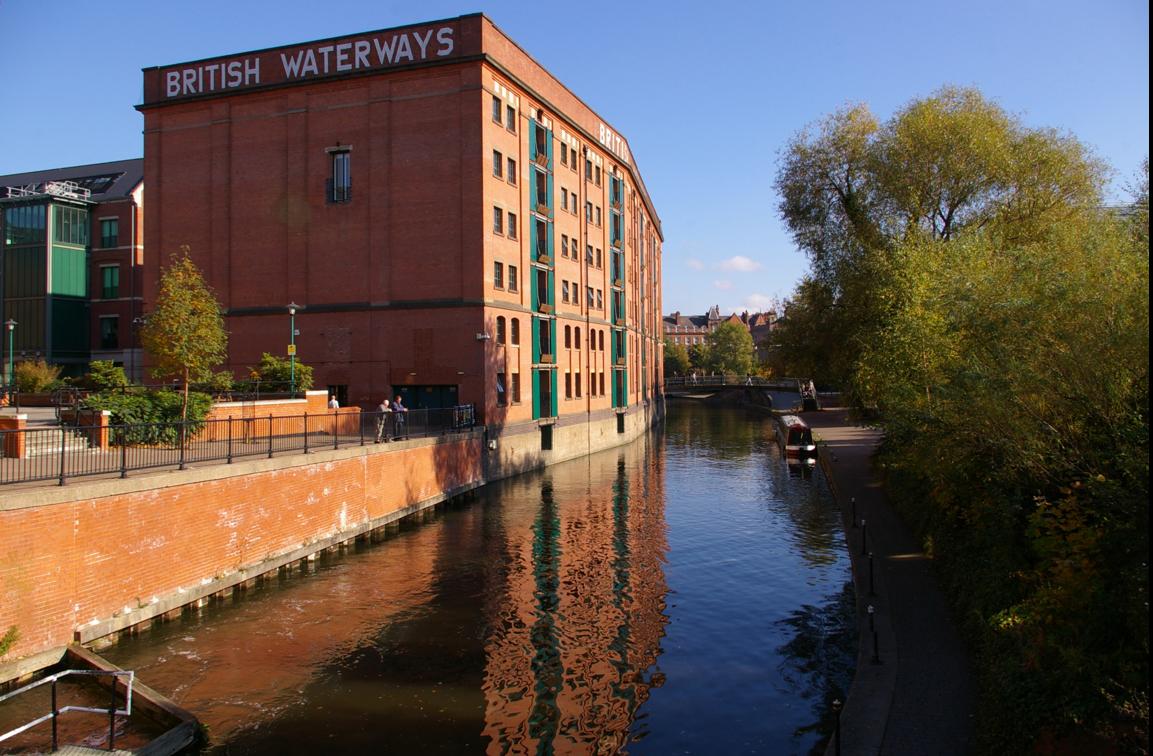
Graham began by explaining that he was the Chair of the Nottingham Civic Society, having an interest in history, heritage, the history of canals, having published 5 books. He informed us that the UK was the first to setu up a waterwork network system, over 4000 miles. It is believed that the Chinese invented canals with the Grand Canal of China in 486 BC and it is 1154 miles long. The first ‘western’ canal came in 740 AD (Fosse Shipping canal), then the Briare Canal (France 1604), Bridgewater canal, 1761 to transport coal from Worsley to Manchester, built by James Brindley. Various other canals were mentioned: Trent/Mersey; The Grand Union, Grantham. Black gold (coal) transported along the canal networks revolutionized the use of coal as a fuel. Graham compared canal haulage to an Australian example of a modern train with 3 locomotives, 3.2miles long pulling 42000 tons.
Pack horses could carry 2.5cwt, so 8 horses required to deliver 1 ton, whereas a horse could tow 20 tons loaded in a narrow boat and 40 tons in a Trent Barge! Also carried was: limestone, bricks and slate, clay and pottery, ‘night soil’(which the Eastcroft depot stored for 2 years), gunpowder and, of course, passengers. He related a story of gunpowder being transported from Grimsby to Nottingham Wharf where it exploded and was heard in Newark! The canals were built by ‘navvies’ (mostly English and probably only 30% Irish). They dug 20 tons of earth/day for a grand sum of 5 shillings, with 1 man dying for each mile of railway built, and having an average lifespan of 37.1 years.
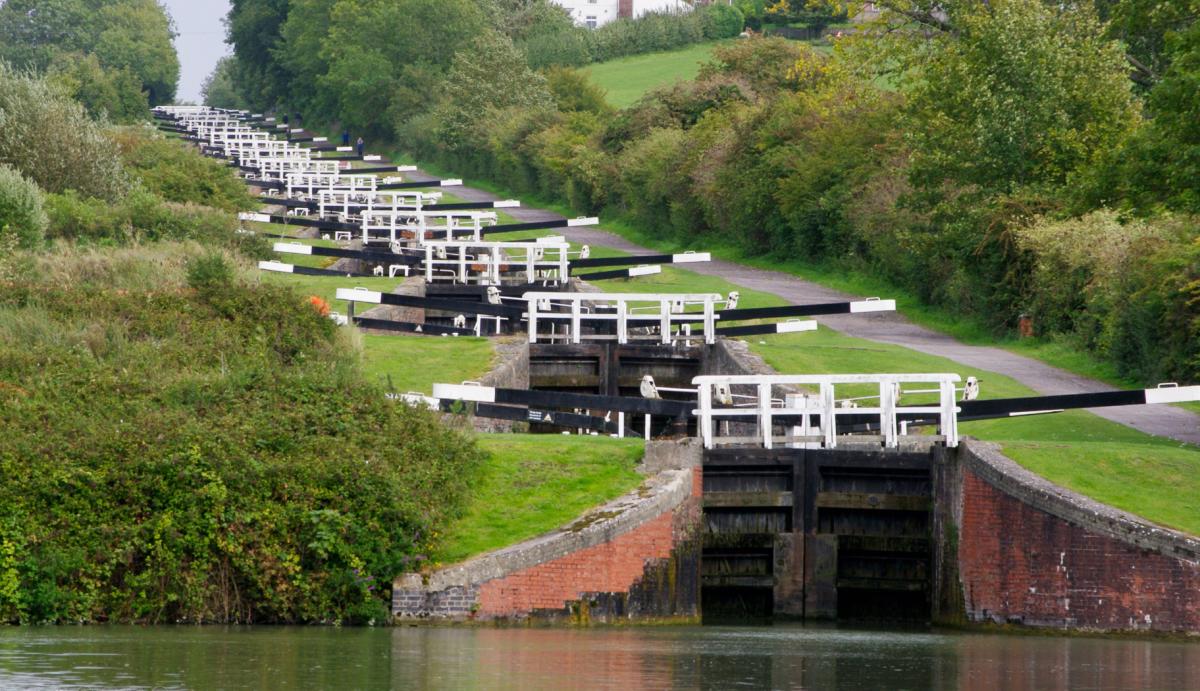
He explained the difference between ‘contour’ and ‘flat’ canals requiring ‘locks’ for the former to cope with elevation, costing £400 each compared with bridges at £80; they are 14 ft 2 wide, so can take 2 narrow boats at 6ft 9. Nottingham Canal has 19 locks which consume on average is the equivalent to 1500 bath tubs of water each time they are used (canals are normally about 4ft. deep) Nottingham canal at Wollaton was pictured, with straight sides, whereas French canals tend to be bowed on one side. Tunnels were mentioned as an alternative to locks, but took a long time to build (e.g. Stanage canal took 16 years and it takes about 3 hours to”leg a back” through the tunnel. Falkirk Wheel was next shown, costing £84m in 2002, but what a fete of engineering, built by Butterly Co. in Ripley.
He then moved on to boats, typically 70 ft. long and 6ft.10 wide, average depth of 3ft.3. Most popular now are 54ft. long and cost around £40k and about 34000 currently
Alan W gave the Vote of Thanks suggesting that he really enjoyed the presentation, with lots of detail, but delivered with humour. It covered the history and geography of the Canal network and apparently is Graham’s 123rd presentation, adding that he’d found it a fascinating talk, commenting that it was well received by our members when they joined him in applauding with their normal appreciation of a ‘job well done’. AR
'What We Do' Main Pages:
We have now successfully run this event for 10 years. Full reports of each year are available under this main page
more
It's here that you can read what we've been up to in the last few months. For more information on our work in the local community, with our young people and internationally please access "what we do" section of this web site.
more
This is a monthly meeting open to visitors from Bingham, Radcliffe, Cotgrave and all villages in surrounding area.
moreThis committee are involved in planning now we can raise funds for our chosen charities
more
If you like what we do as an organisation and are interested in volunteering with us, keeping up to date with our plans and future events then why not consider signing up as a friend of our Rotary Club
more
Our International Committee is involved with Polio Plus - a Rotary initiative to eradicate Polio, World-wide; Sand dams; Aqua Boxes; Shelter Boxes; Collecting used spectacles, and many other projects
moreHere you can read about the many meetings we've had during our formation as a Rotary Club. The early years are a little short on detail...
more