Rotary Becket & Re-wilding
Read information provided by our Environment Committee for rewinding your garden
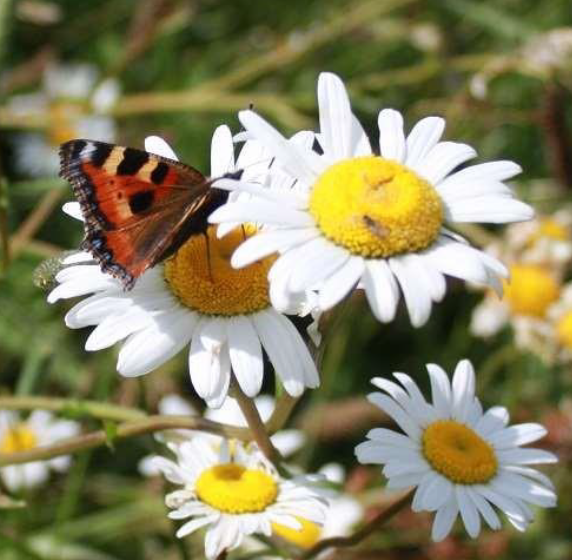
Bees and Butterfly Wildflower Seed
Some notes for Members and Friends taking part in the Rotary Becket Wildflowering project.
• Contains 24 species from the RHS "Perfect For Pollinators" list.
• Also includes borage and sainfoin to encourage a wide range of pollinating insects.
• Inclusion of annuals species provides colour in the first year, plus yellow rattle.
• Perfect for creating a long lasting meadow and wildlife habitat.
Sow at 3 grams per sq/m - 1kg covers 330sq/m - decide your area
Image taken August, sown March
------------
Bees and Butterfly Wildflower Seed
Caring & Maintaining your wildflower garden
Autumn Maintenance:
- Towards the end of summer (August to September) most flowers will begin to die back, this is the time to make a “Hay Cut!”. The area will want cutting down to about 7.5 cm (3 inch), with the cuttings being left to dry on the surface for up to a week, this will allow the cut flowers to shed their seed. The cuttings can then be raked up and removed.
- If there are annuals present it is important that their seed is returned to the soil to allow them to regenerate again the following spring. To achieve this, the area will need vigorously raking or for larger areas harrowing. This will break the surface and allow the annual seed to make contact with the soil.
Spring Maintenance:
- The grasses will start to grow before the wildflowers, so a spring cut in April down to 7.5 cm (3 inch) will reduce competition from the grasses. Remove all grass cuttings to avoid adding fertility back to the soil.
- • If any unwanted weed species emerge these will need removing either by hand, or by carefully “spot treating” with a weedkiller. Weeds are more likely to show in the first year after sowing.
 Contact Simon Sherry about this page:
Related pages...
Garden and Meadow rewilding
more Rewilding your garden, or an area of your garden, will help promote biodiversity, promote a better environment for insects and pollinators, and improve what is already doing a great job for wildlife.
back to page above this...

Environment & Rotary Becket
back The Environment becomes Rotary's seventh area of focus