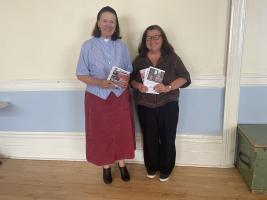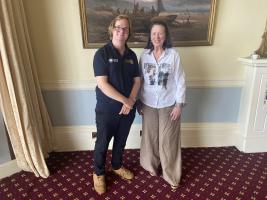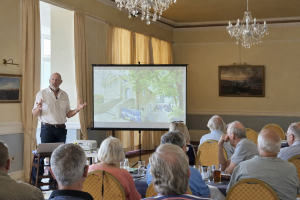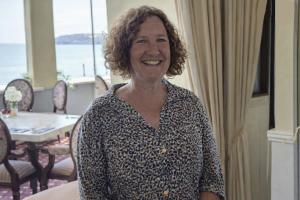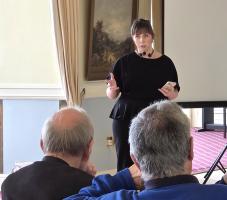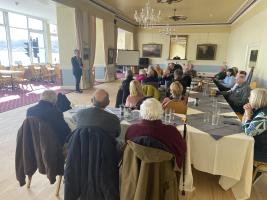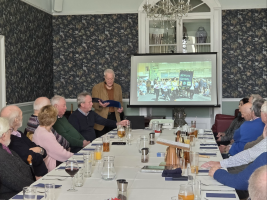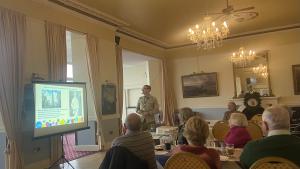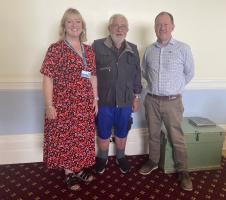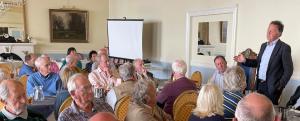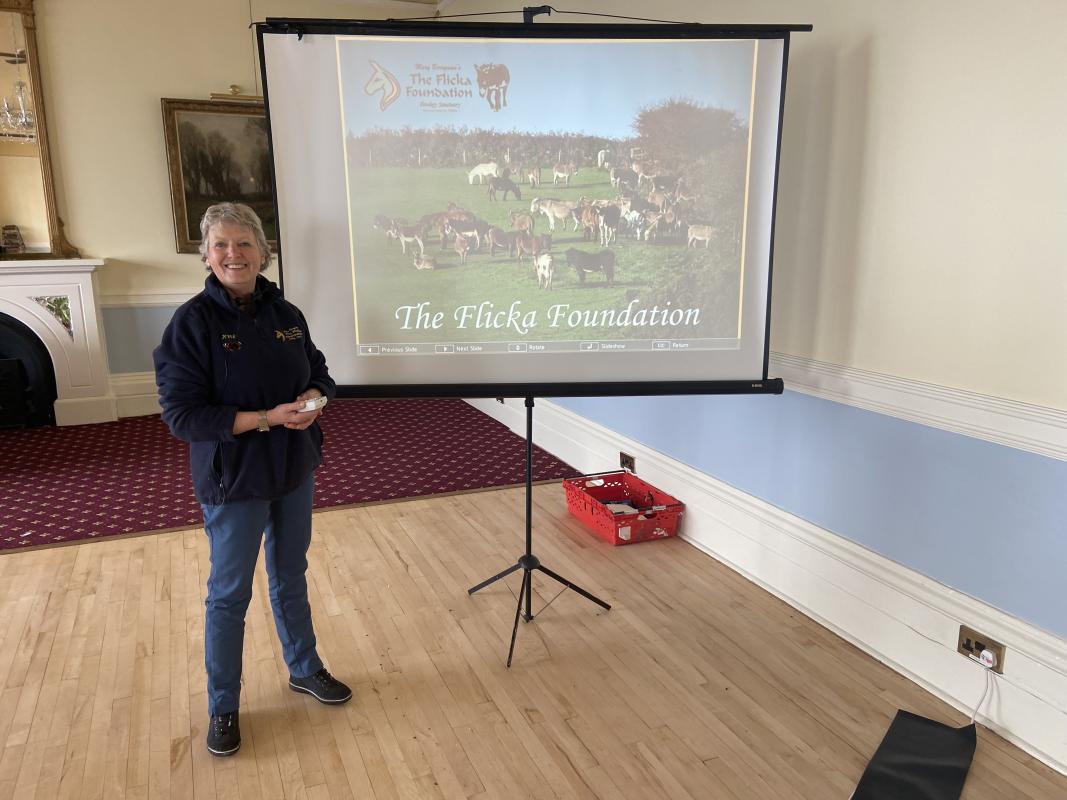
For over 30 years, the Flicka Foundation has stood as a lifeline for equines in crisis. Speaking to our Rotary Club, Laurie Stephenson shared the remarkable story of how a small Midlands rescue - born from compassion and a single pony in need - grew into an award‑winning sanctuary that has transformed the lives of more than 1,000 horses, ponies and donkeys.
Humble beginnings with a powerful mission
Founded in 1995 in the Midlands by Mary Berryman, the Flicka Foundation began with a simple but determined mission: to rescue horses in desperate need and give them a chance at a healthy, dignified life. Early rescues such as Mickey, a neglected pony who went on to thrive under the foundation’s care, showed what patient care and commitment could achieve.
Another early rescue, Flicka - a little pony found starving on a building site - gave the foundation its name and its enduring sense of purpose. Flicka later developed fatal liver problems, and her story remains a reminder of both the fragility of rescued animals and the deep bonds they form with people and communities.
Rescues that define the foundation’s work
Lauri described the wide range of situations the team has faced over three decades: challenging rescues at caravans and travel sites, horses tethered dangerously close to busy roads, and animals seized from neglectful or abusive environments. Some stories stay with the team forever—like Heidi and Holly, two mares rescued days apart who spent many years together under the foundation’s care and passed away within days of one another.
The foundation has responded to many different emergency scenarios, including:
- Horses seized from neglectful or abusive situations, requiring intensive veterinary care and long‑term rehabilitation.
- Young foals and donkeys illegally sold at markets under the minimum age, needing careful handling, medical attention and patient socialisation.
- Animals arriving from other rescues or sanctuaries that have closed, whose care Flicka has absorbed to protect them from further risk.
A growing commitment to donkeys
A turning point came in 2008, after the passing of Mary, when DEFRA urgently requested help for five severely neglected donkeys. Their complex health needs - malnutrition, foot and dental disease, and missing or improper paperwork - demanded intensive veterinary care and rehabilitation.
Those five soon became many more, as the foundation began taking in donkeys rescued from poor conditions both in the UK and abroad. Over the years, Flicka has become especially known for its donkey rescue and care, helping groups rescued from markets, neglected farms and international situations.
Investing in medical care and facilities
Transporting sick or injured equines long distances for treatment had long been a strain on both animals and volunteers. Recognising this, the Flicka Foundation spent years fundraising to establish an on‑site equine clinic.
This facility now allows for quicker, more effective care - surgeries, treatments and routine procedures - while reducing stress and travel for the animals.
Powered by volunteers, supporters and community
Laurie emphasised that the foundation’s work is sustained by volunteers, fundraisers and adopters. While young people under 18 cannot perform certain hands‑on tasks for health and safety reasons, families and visitors support the sanctuary through fundraising events, visits and the popular “Adopt a Donkey” schemes, which help fund veterinary care, feed and shelter.
Grants and community fundraising have also helped secure vital equipment, from tractors to trailers, ensuring the sanctuary can continue to operate safely and efficiently.
What rescue really means
Behind every rescue lies a long journey of recovery. Many animals arrive with hidden medical problems - advanced dental disease, painful foot conditions and severely neglected body condition.
Rehabilitation can take months or even years, involving veterinary attention, farrier work, dental treatment, tailored nutrition and patient social care. The success stories - animals going from emaciated, frightened and injured to playful, healthy and bonded - are, as Laurie put it, “the heart of what we do.”
How you can help
You can support the Flicka Foundation in several practical ways:
- Visit: The sanctuary welcomes visitors (please check opening times and visiting guidelines).
- Adopt: “Adopt a Donkey” programmes and sponsorships provide ongoing support for care costs.
- Fundraise or donate: Contributions help maintain the clinic, pay for veterinary treatments and buy essential equipment.
- Volunteer: Volunteers support daily care, fundraising and educational work; details are available through the foundation’s contact channels.
Looking ahead
As the Flicka Foundation moves into its fourth decade, its focus remains the same: rescuing animals in need, providing compassionate medical and rehabilitative care, and sharing the joy and therapeutic value these animals bring to our communities.
With the new on‑site clinic and the sustained generosity of supporters and volunteers, the foundation is better equipped than ever to continue its work for the next 30 years and beyond.
For visiting information, adoption details, volunteering opportunities and donation options, please contact the Flicka Foundation through their website or social channels.