Credit Card Fraud Awareness
Photographed alongside his father, Rotarian Jon Matthews, speaker Kern Matthews delivered an insightful talk on the evolving landscape of credit card fraud and how consumers can protect themselves.
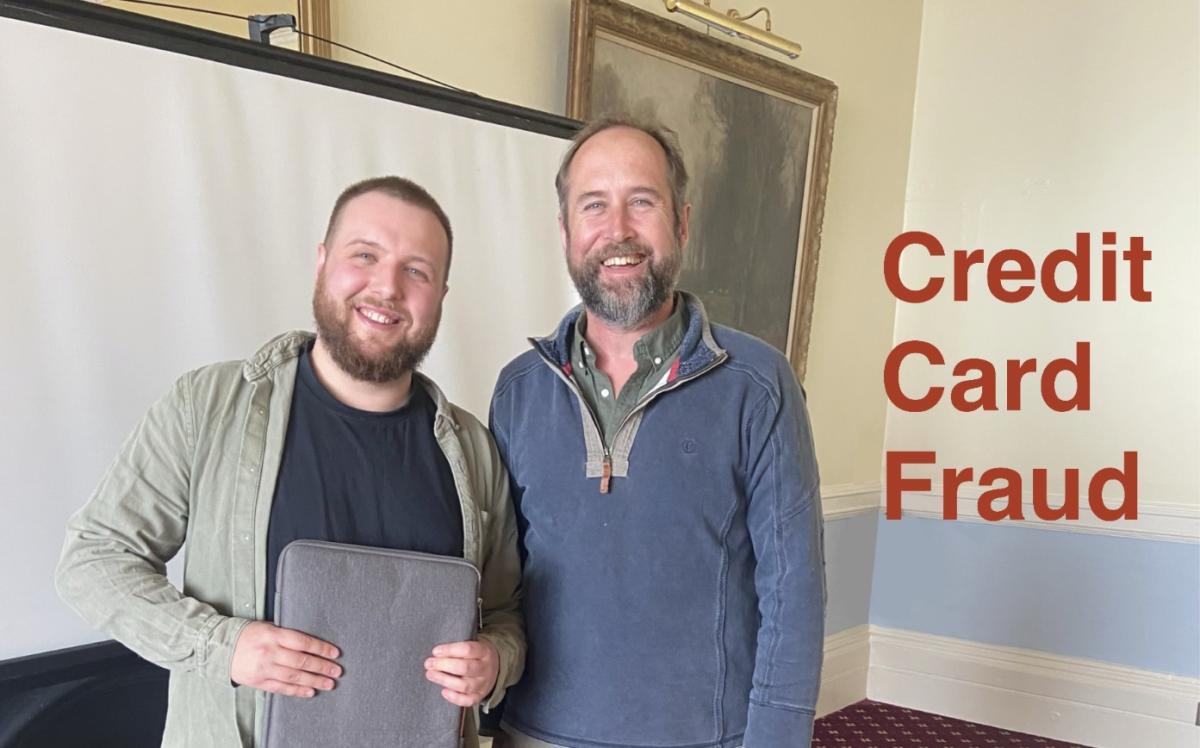
Kern talked about the growing sophistication of credit card fraud - especially with criminals now using AI to create convincing emails, websites, and even voice impersonations. Here’s a quick guide to the most common scams covered in his talk and his advice on how to protect yourself.
Common Types of Fraud
-
Application fraud: Criminals open accounts using false or stolen identities.
-
Account takeover: Fraudsters gain access to existing accounts by compromising login details or changing contact information.
-
Card fraud: Stolen card details are used to make unauthorised purchases, often obtained through phishing or social engineering.
-
Romance and Authorised Push Payment (APP) scams: Victims are manipulated into sending money or transferring funds to “safe accounts” controlled by criminals.
How Scammers Operate
Fraudsters combine emotional pressure with technical tricks:
-
Urgency, fear, and secrecy to push victims into acting quickly
-
Fake login pages, spoofed caller IDs, and AI‑generated messages that look legitimate
-
Targeting people exposed in data breaches or previous scams
Red Flags to Watch For
-
Unexpected texts or emails with links
-
Slightly altered URLs or odd‑looking websites
-
Requests for PINs, full card details, or one‑time passcodes
-
Instructions to keep conversations secret or move money urgently
-
Caller ID that appears genuine—because it can be faked
How to Protect Yourself
-
Never share security codes, PINs, or login passcodes with anyone who contacts you unexpectedly
-
Hang up suspicious calls and contact your bank using the number on its official website
-
Check URLs carefully and verify sellers before buying online
-
Treat secrecy requests as a major warning sign
Consumer and Business Considerations
Credit card protections like chargebacks can help, but claims may be denied if customers are found negligent. Businesses should publish clear fraud‑prevention guidance, explain protection limits, and educate staff and customers about emerging AI‑driven threats.
The Bottom Line
Fraud tactics are evolving quickly. Staying safe means verifying unexpected requests, using official contact channels, and never sharing sensitive information. A few seconds of caution can prevent major financial loss.
Related pages...
Morrab Library, Penzance
more We were delighted to welcome Lisa Di Tommaso for an engaging and informative presentation on the history, collections and day-to-day operation of Morrab Library, one of Penzance's most treasured cultural institutions.
Alex’s Leadership Journey
more Alex Farrell gave a talk about his week‑long RYLA leadership course, sharing how outdoor challenges, emergency simulations and daily reflection strengthened his confidence, teamwork and real‑world skills for future community and career impact.
The Art of Reinvention
more James Green’s recent talk revealed how Newlyn Art Gallery & The Exchange in Penzance continue to drive Cornwall’s contemporary art scene - 125 years of creativity, community and bold ideas in one compelling story.
PZN Youth: A Vision for the Future
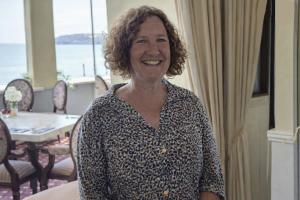
more Founder and Director Bek Breslaw shared an inspiring vision for PZN Youth’s next chapter at our Rotary meeting, outlining ambitious plans for growth, deeper community impact, and a strengthened foundation supporting young people across Penzance.
Shelter Boots!
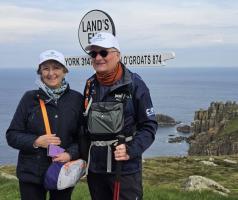
more We recently welcomed Dave Foster from the Evesham Vale Rotary Club, who shared his inspiring mission to walk 700 miles in support of ShelterBox disaster relief. His £20,000 fundraising mission for ShelterBox left a strong impression on us all.
Planning for the Future
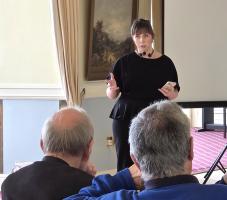
more We recently welcomed Emily Drew from Paul Robinson Solicitors, who delivered a clear and engaging overview of some of the most important issues in modern estate planning.
Three Decades of Equine Rescue and Care
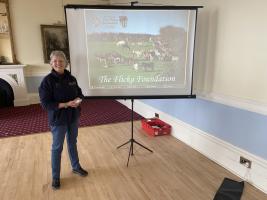
more Laurie Stephenson highlighted the Flicka Foundation’s long‑standing commitment to rescuing and rehabilitating vulnerable equines.

Speaker Meeting - Cllr Stephen Reynolds
more Penzance Mayor delivers insightful talk on community leadership and regeneration. With warmth and clarity, he shared proud moments, practical challenges, and the importance of representing every resident with fairness and dedication.

Golowan Community Interest Company
more Mike Ward and Alan Shepherd outlined how Penzance’s cultural profile has evolved, the vital role of Golowan CIC, and the organisation’s recent challenges and opportunities as it secures new premises and seeks support to sustain its work
Housing Leader Shares Insights with Rotary Members
more We recently welcomed Allister Young, Chief Executive of Coastline Housing, for a lunchtime talk that shone a spotlight on one of the most pressing issues facing Cornwall today: the housing crisis.

Morrab Gardens: 18 Years of Community Spirit
more Rotary Satellite Club member Yukari Werrell reflects on Falun Gong practice and its lasting impact on Penzance’s public park.
Tuna Tag Saga!
more The club welcomed Jessica Rudd who gave a fascinating talk on predator-prey dynamics and post-tagging behaviour in Atlantic bluefin tuna - cutting-edge topics that form part of her Doctorate (PhD) research at Exeter University

Cyber Safety Essentials
more We were pleased to host Craig Lang, Cyber Protect Officer from Devon & Cornwall Police, for an engaging talk on staying safe online. His presentation highlighted the Top Twelve Cyber Tips - practical steps everyone can take to protect themselves

Floyd Steadman OBE - a remarkable role model
more Floyd Steadman visited Penzance Rotary to talk about his life so far including the hardship of his early childhood, family tragedy, racism, but above all, about determination and achievement.
Cornwall Rural Community Charity
more We were delighted to welcome Katherine Nissen, CEO of Cornwall Rural Community Charity (CRCC), to our recent lunchtime meeting. Katherine spoke with passion and warmth about her work leading CRCC and shared stories of projects that make a real difference.
back to page above this...

Lunches and guest speakers
back The club meets each Friday lunchtime and up to twice each month members and guests enjoy a talk by a speaker. Talks cover a wide range of subjects with most being community focussed. Others may cover a speaker's special interests.