The Rotary Shop
The Rotary Shop raises essential funds to support Penzance Rotary’s work in the community—providing grants to local groups, welfare organisations, and helping to relieve hardship for those in need.
Charity Commission Number 1194977.
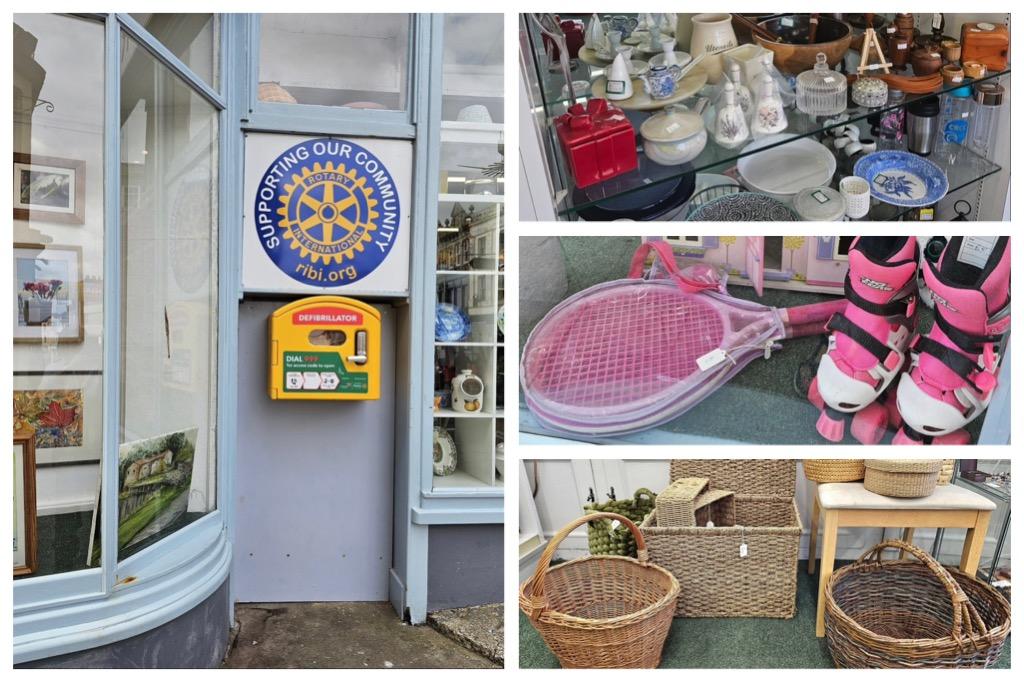
The Rotary Shop
Located right in the centre of Penzance, the Rotary Shop is more than just a place to find quality second-hand goods — it's a vibrant hub of community spirit and generosity. Operated entirely by volunteers, our shop transforms donated items into vital support for local welfare groups and charitable organisations across West Penwith.
What We Do
We gratefully accept donations of books, art, collectibles, quality clothing, household items and more from our generous community. These goods are then sold at affordable prices, with all profits distributed as small grants to support local community or welfare groups and charities. Whether you're browsing for a bargain or dropping off surplus items, every visit helps uplift those in need.
- All items are donated by the community
- 100% volunteer-run, ensuring maximum funds go to good causes
- Grants support grassroots organisations serving West Penwith
Powered by Volunteers
Our dedicated team of volunteers keeps the shop running smoothly, creating a warm and welcoming atmosphere for shoppers and donors alike. Their commitment ensures that all profits raised go toward supporting local initiatives — from youth clubs and food banks to mental health services and environmental projects.
Are you a sociable person who could spare around 3 hours a week as one of our volunteer team?
A Building with History
The Rotary Shop occupies a historic site once known as Peasgood Chemists. In fact, between 1795 and 1798, the renowned scientist Sir Humphry Davy served as an apprentice apothecary here. Davy would later rise to fame for his groundbreaking discoveries and become President of the Royal Institution — a legacy that adds a touch of scientific heritage to our humble shop and as a result of which the building displays a blue plaque from the Royal Society of Chemistry.
Join the Movement
We invite you to pop in for a chat, a browse, to donate your surplus items or to ask about assisting as a volunteer in the shop. Whether you're a local resident or a visitor to Penzance, your support helps us continue our mission of giving back to the community.
Together, we’re making a difference — one donation, one purchase, one grant at a time.
Contact Zena Muth about this page:
The Rotary Shop sub-pages:

Rotary Shop presents Stanhope Forbes ‘playing card’ to Penlee House Gallery & Museum.
more The generous bequest of a local widow has helped to relieve financial hardship for local families and also led to the presentation of a small hand painted ‘playing card’ by Stanhope Forbes to the Penlee House Gallery and Museum.