2026 Rotary Technology Challenge
Young Engineers Rise to the Pipeline Challenge
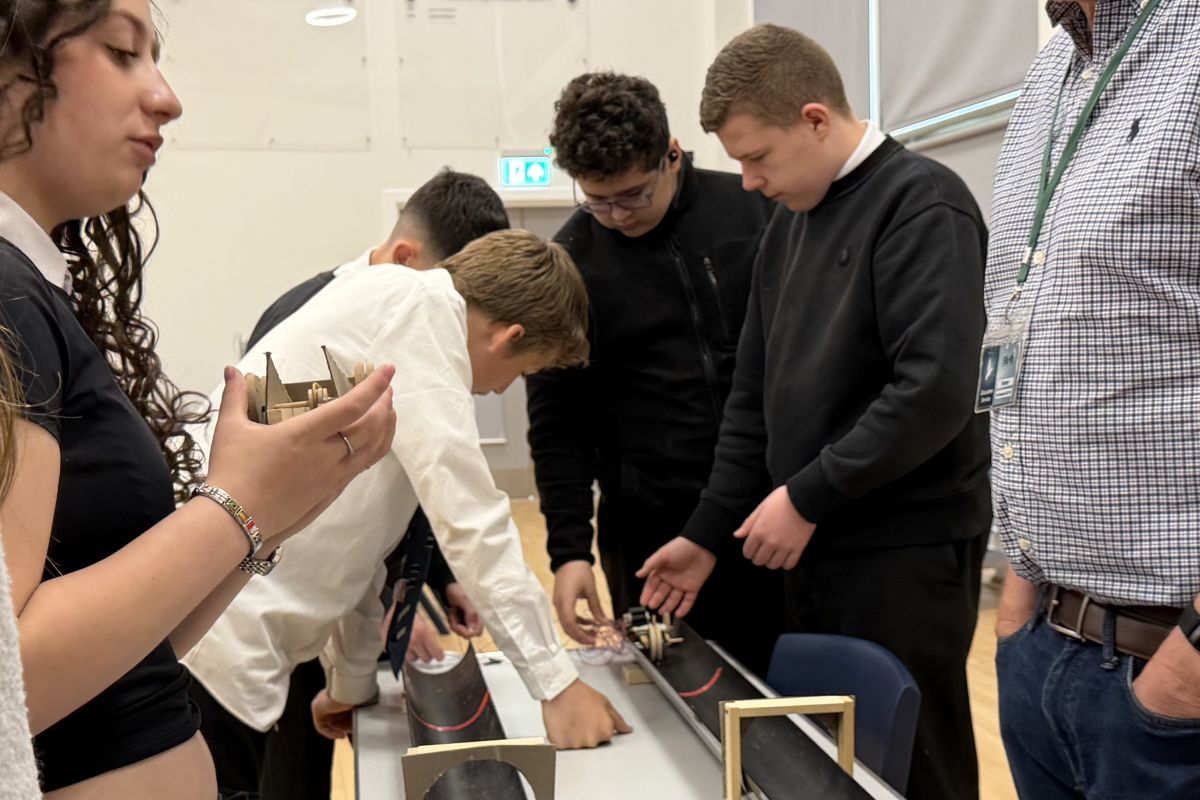
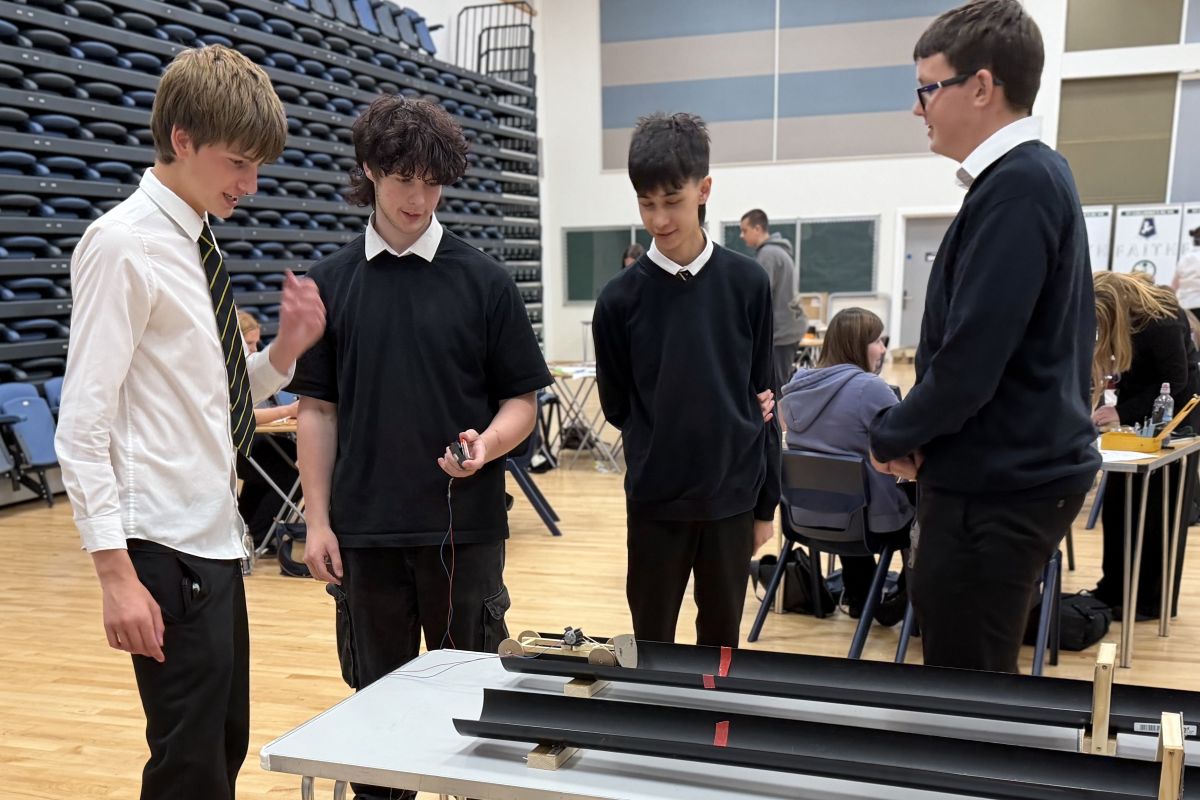
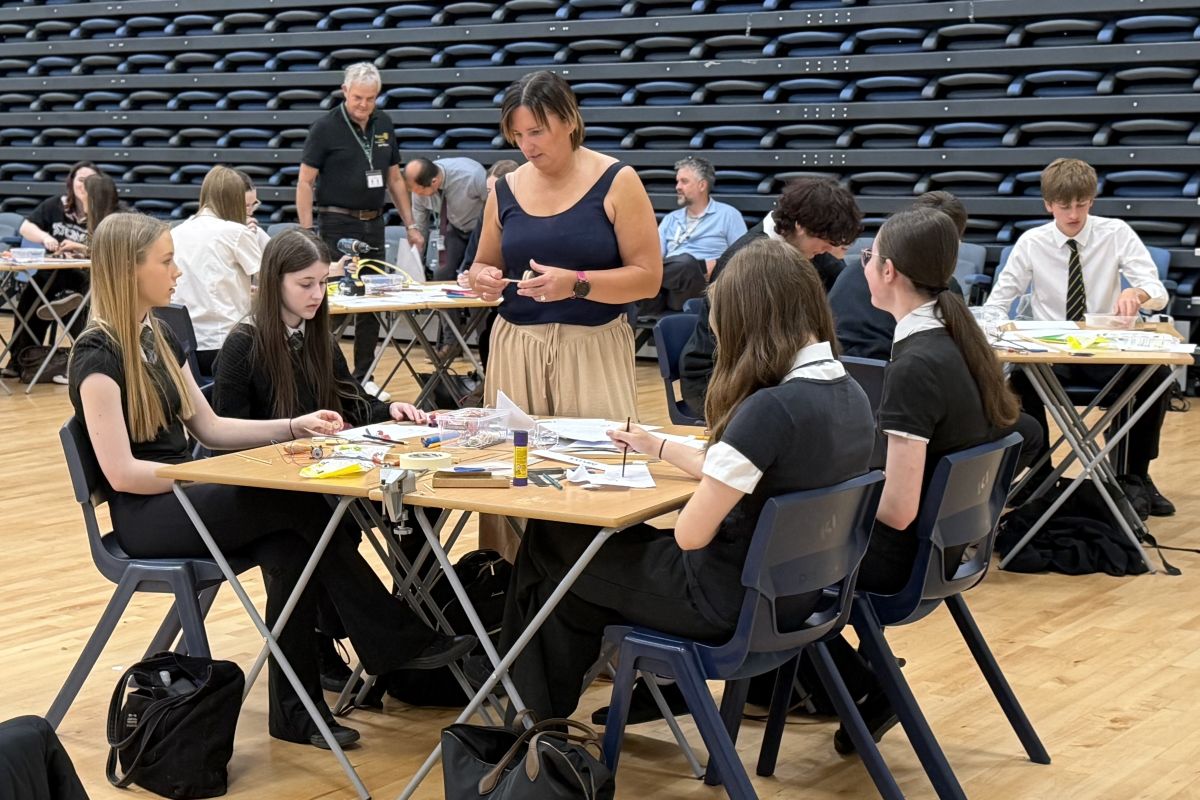
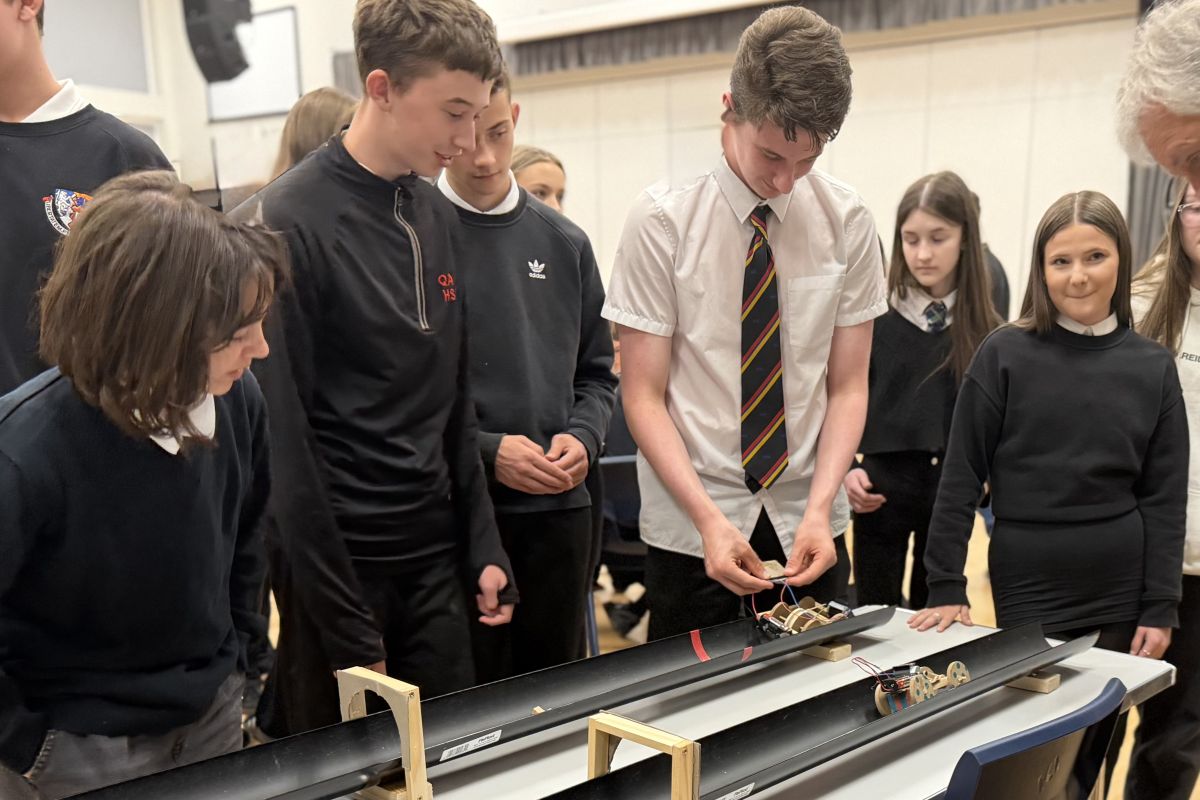
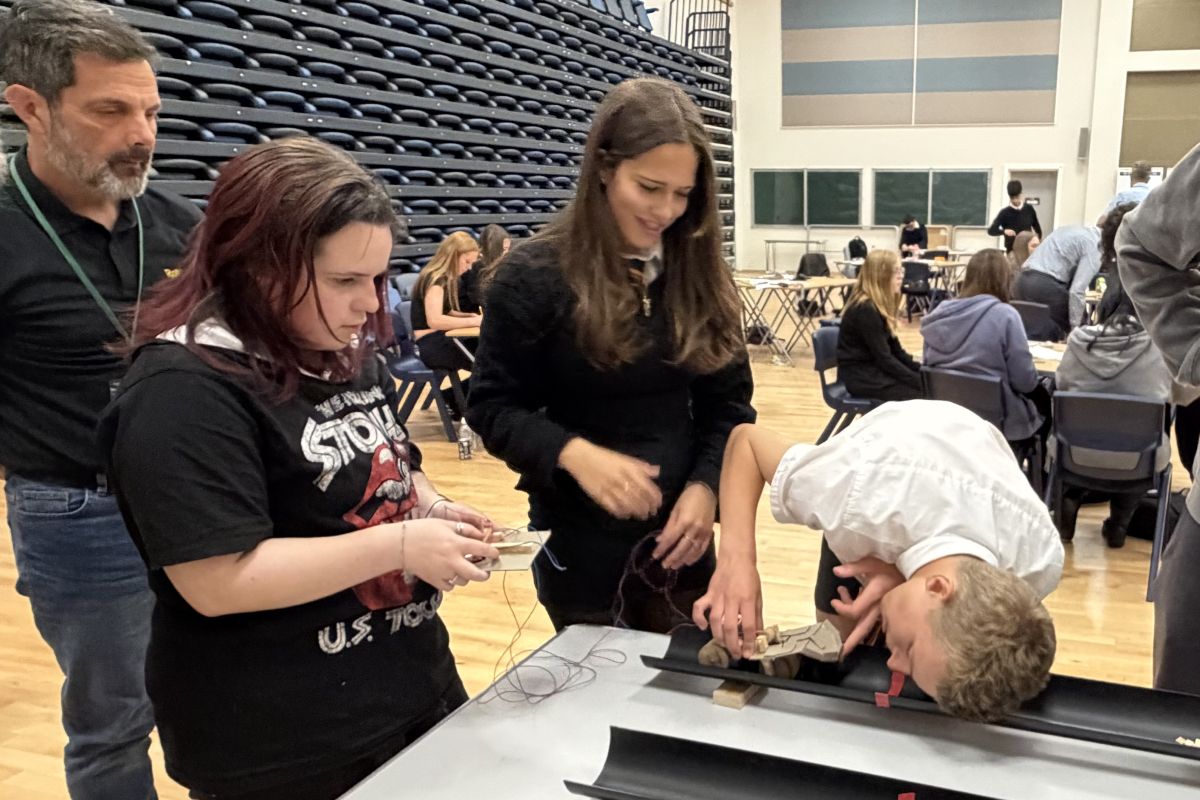
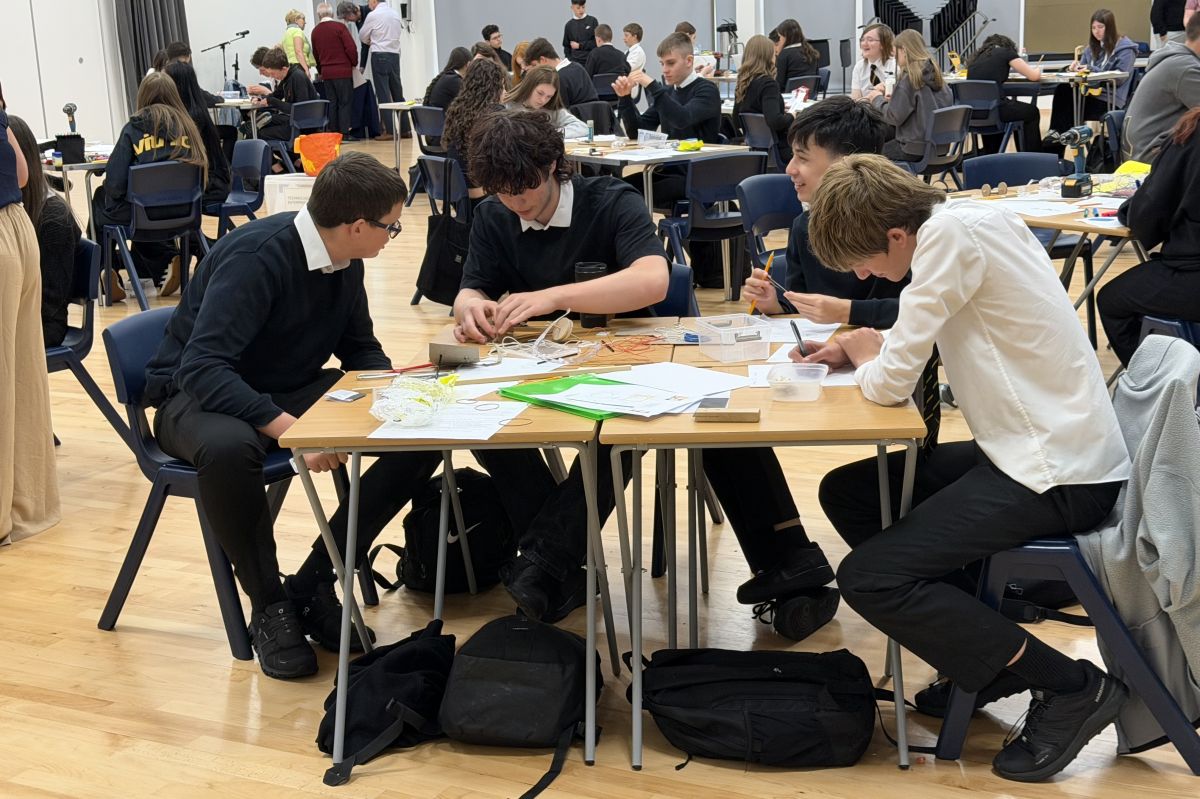
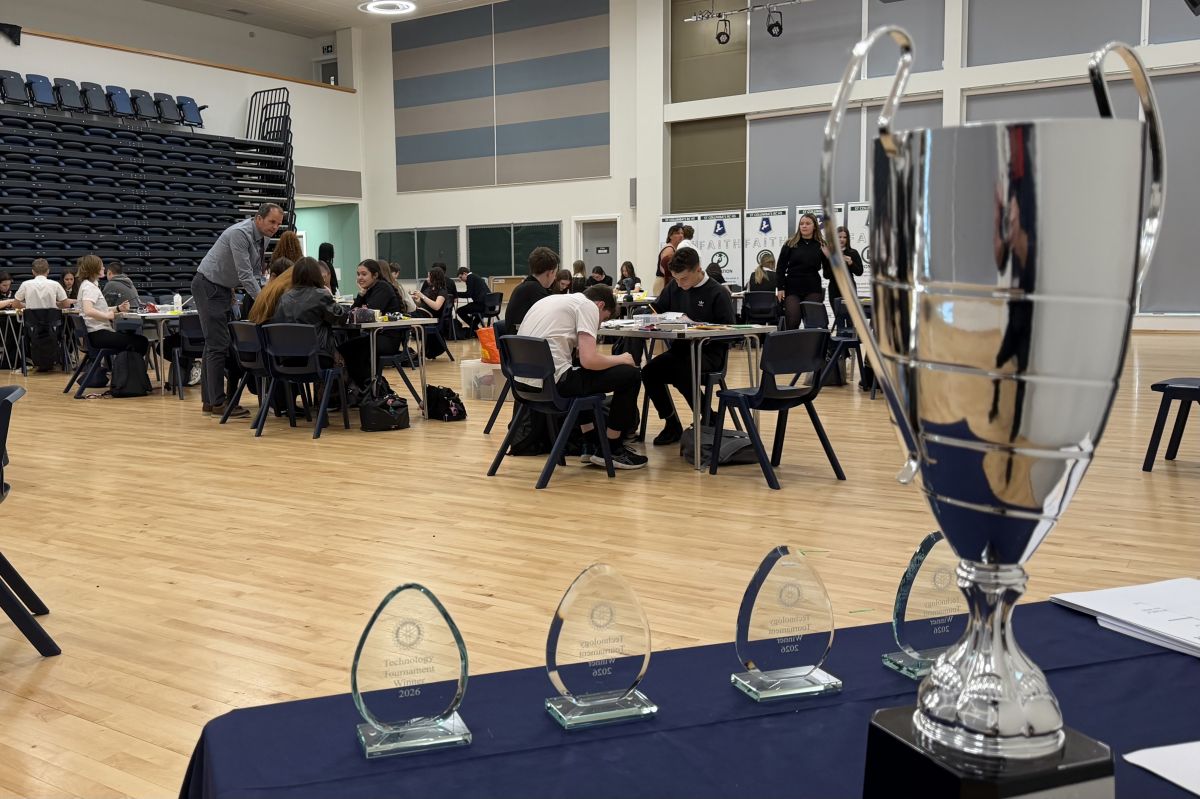
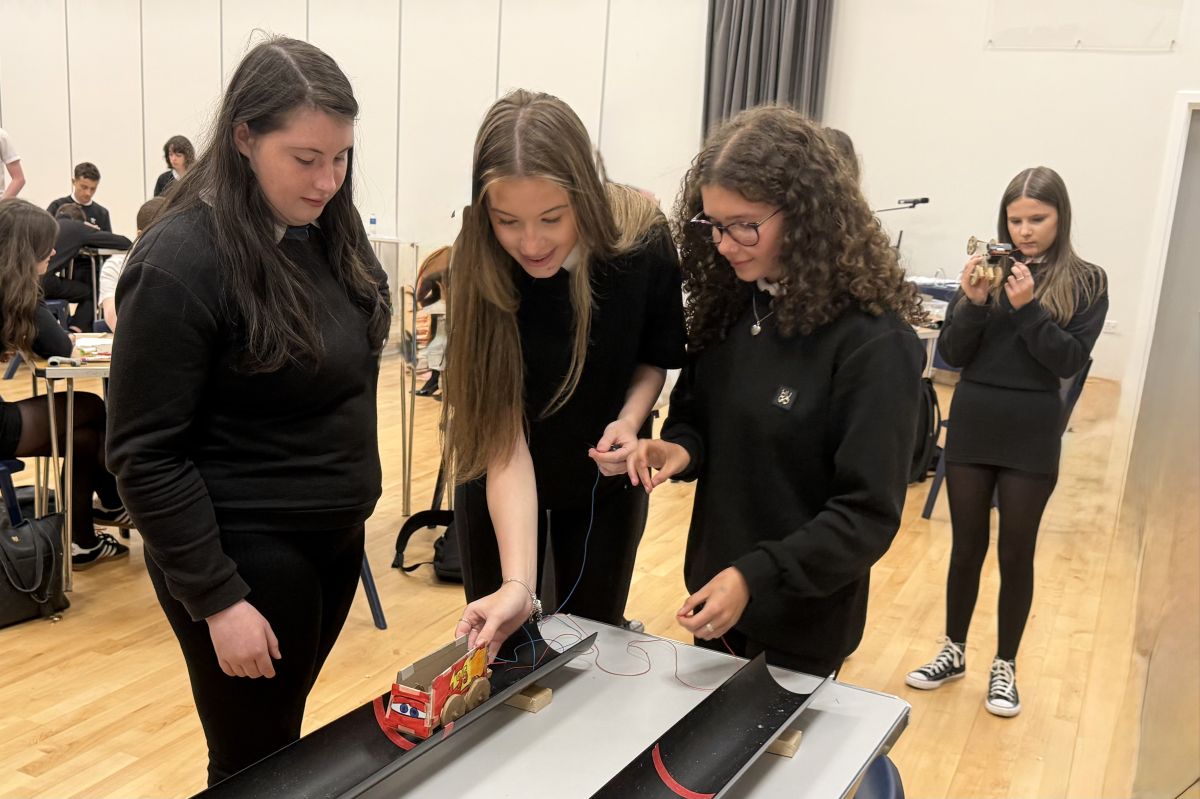
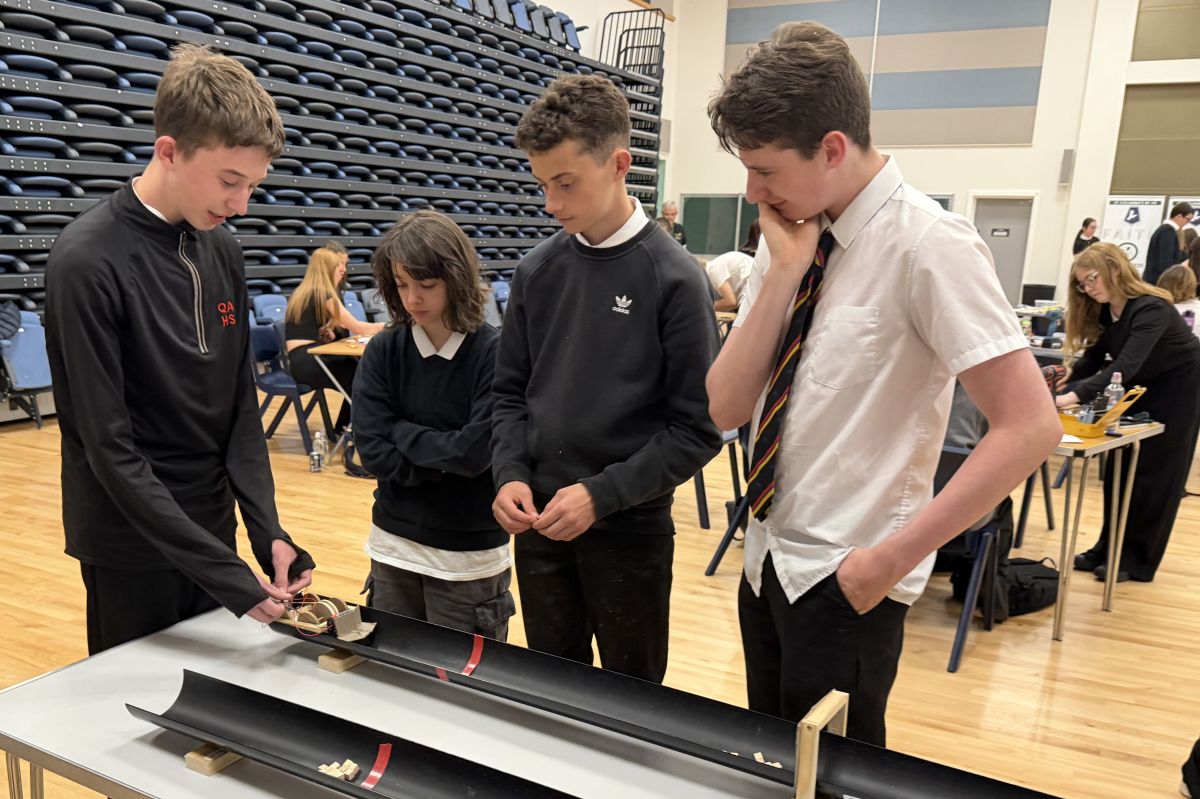
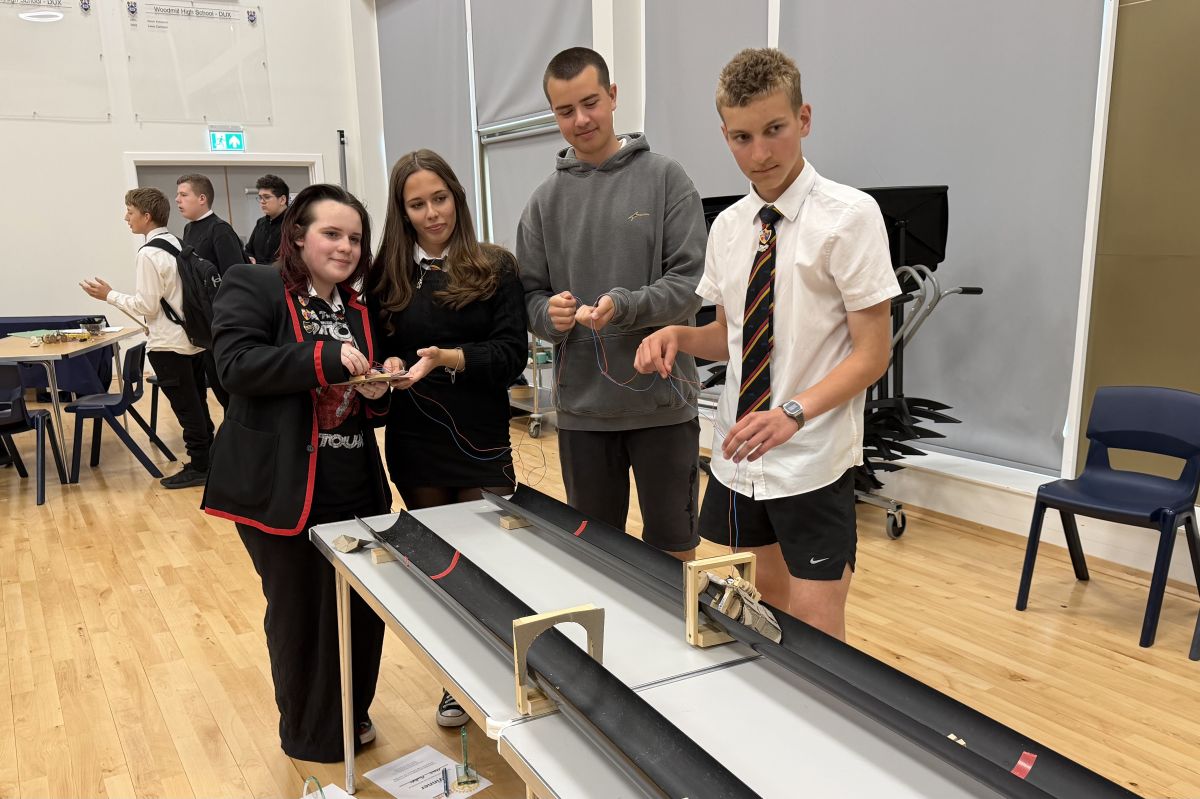
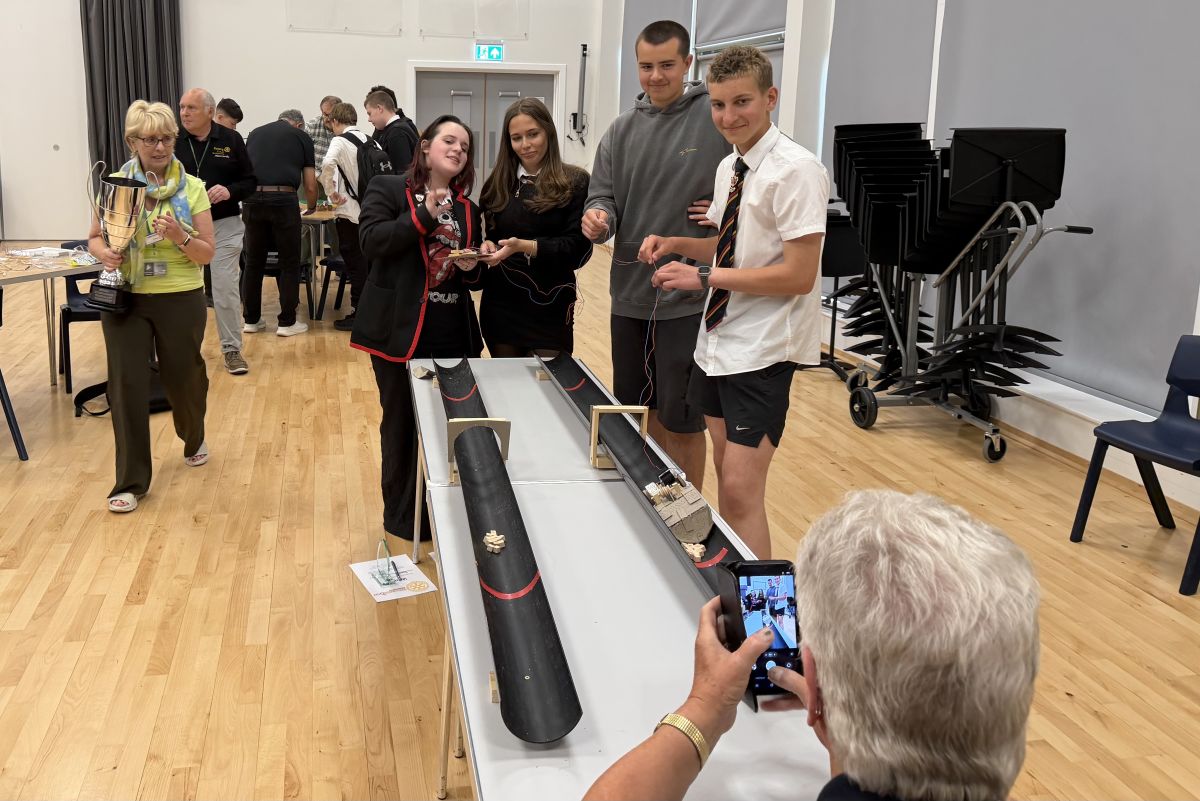
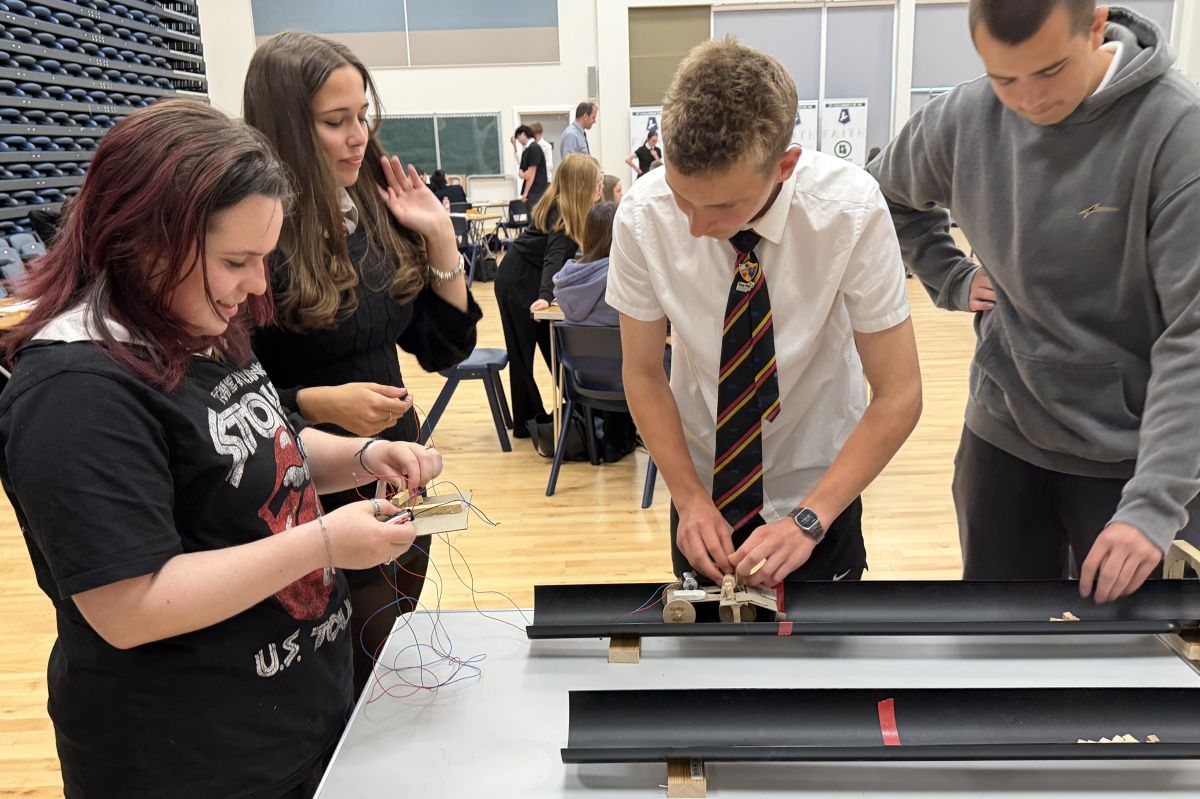
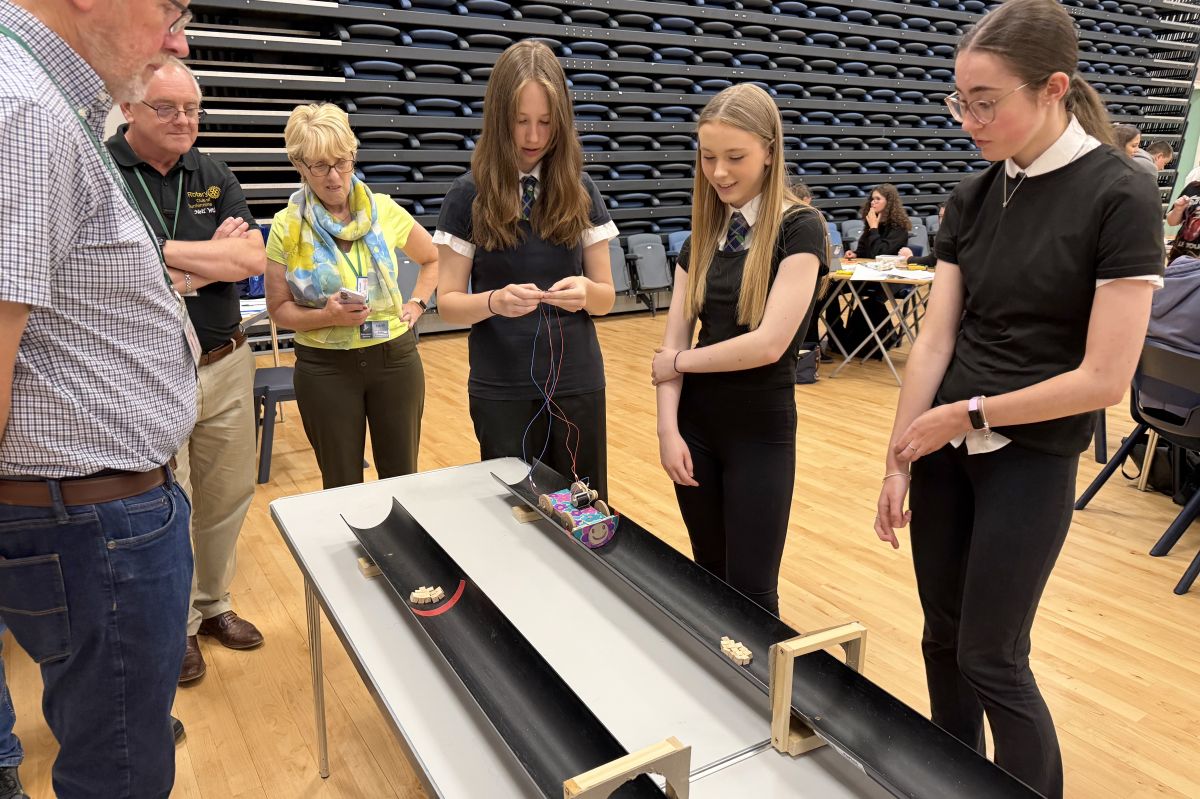
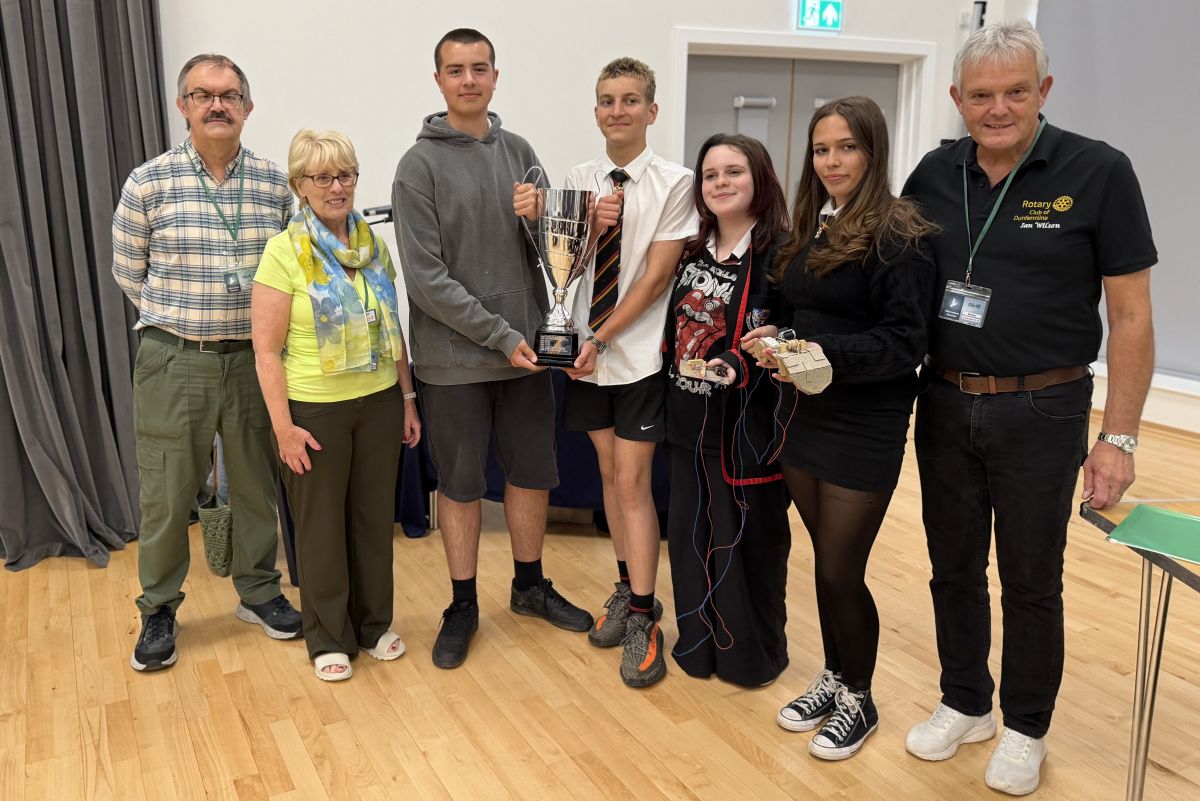
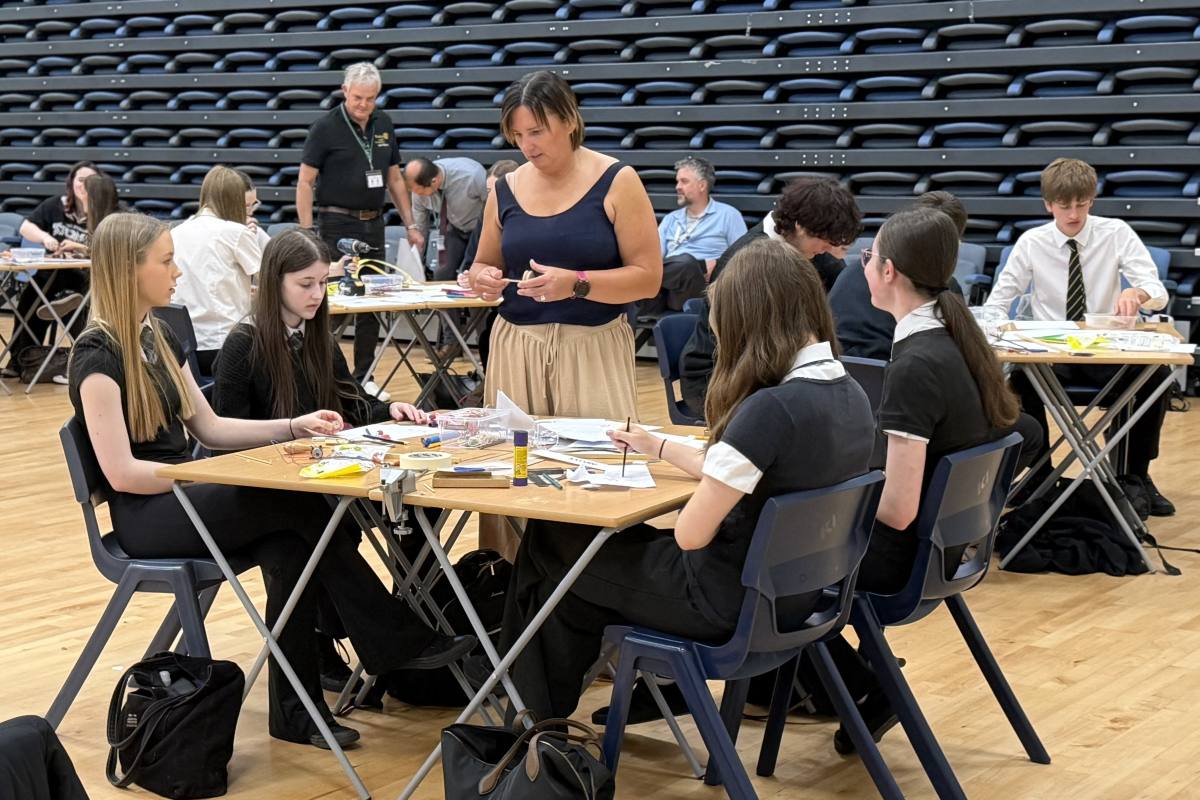
Sixteen teams of secondary school pupils descended on Dunfermline Learning Campus on Monday 29th June for the 2026 Rotary Technology Challenge - a day of hands-on engineering, creative problem-solving, and friendly competition that saw young people from across the area take on a task inspired by one of the world's great feats of civil engineering.
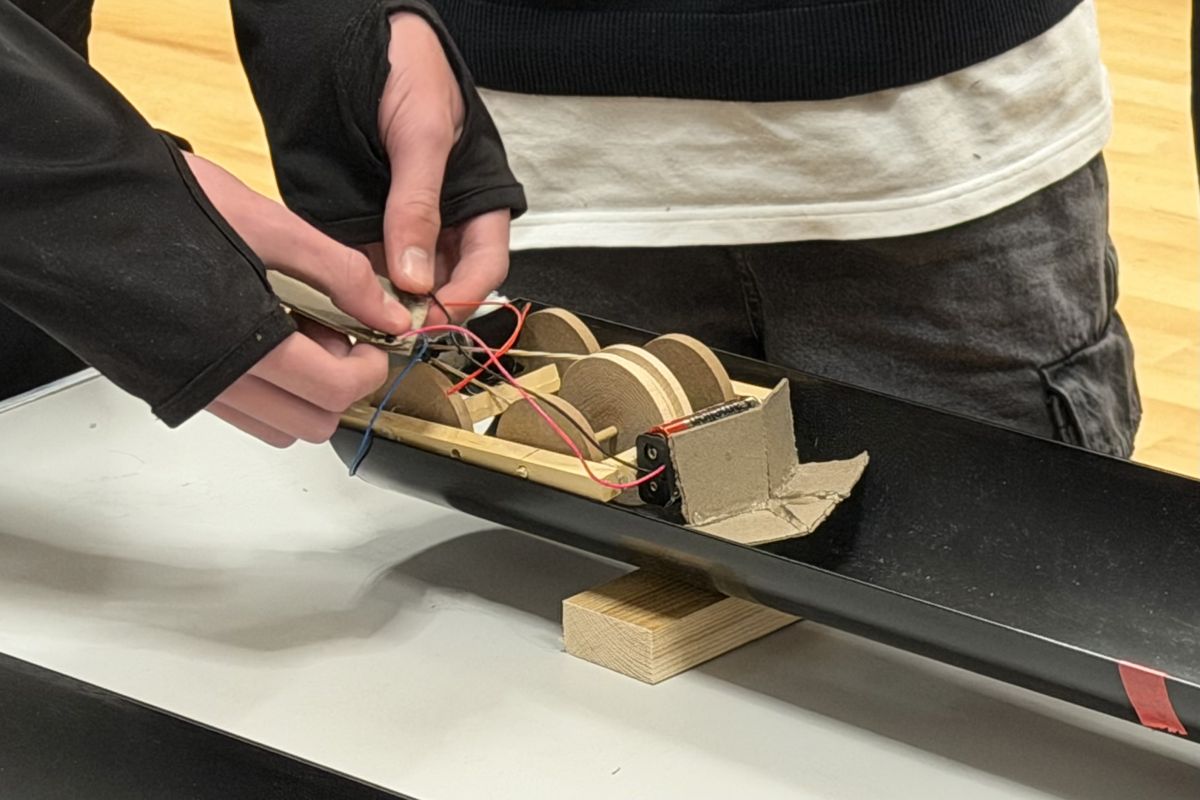
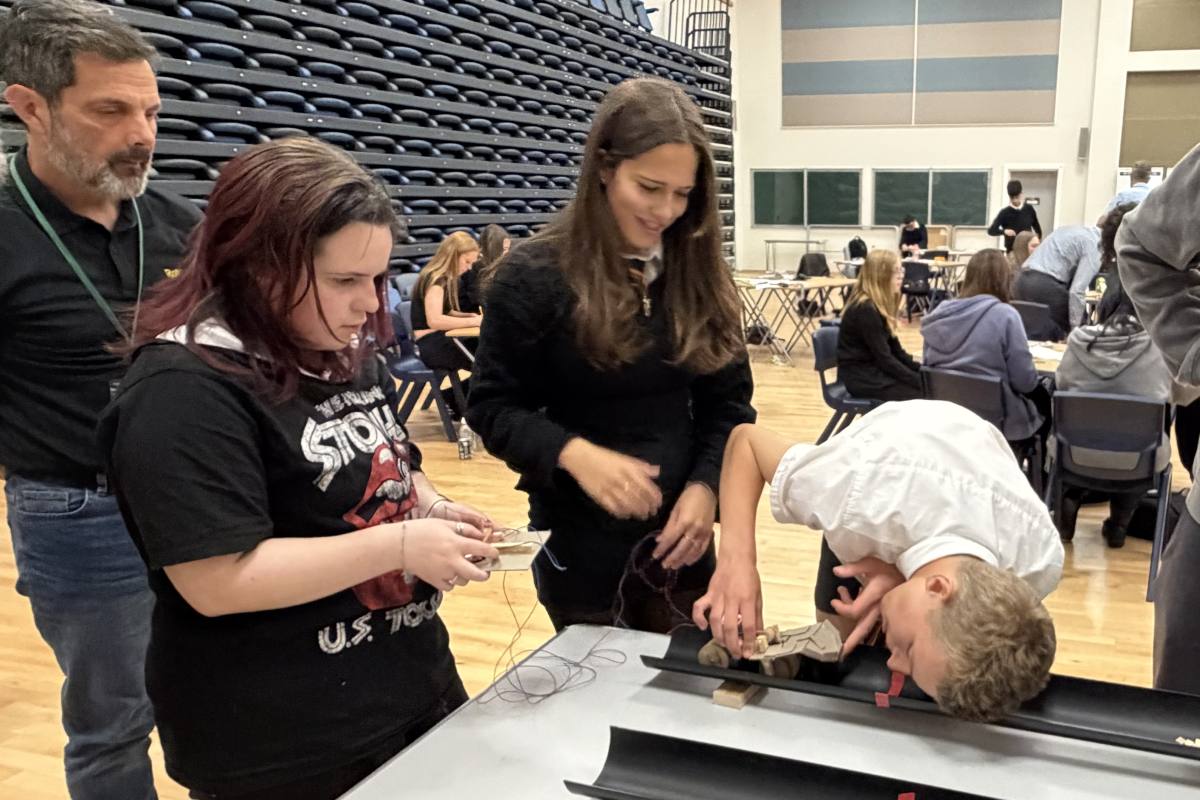
This year's challenge tasked teams with designing, building and testing a Pipeline Vehicle: a small motorised machine capable of travelling inside a 100mm diameter pipe, pushing debris along the pipeline and clearing it beyond the finish line. The concept mirrors real-world maintenance operations carried out on pipelines such as the 900-mile Trans-Alaska Pipeline, where specialist vehicles are used to inspect and clear the interior of the pipe.
Sixteen Teams, Four Schools
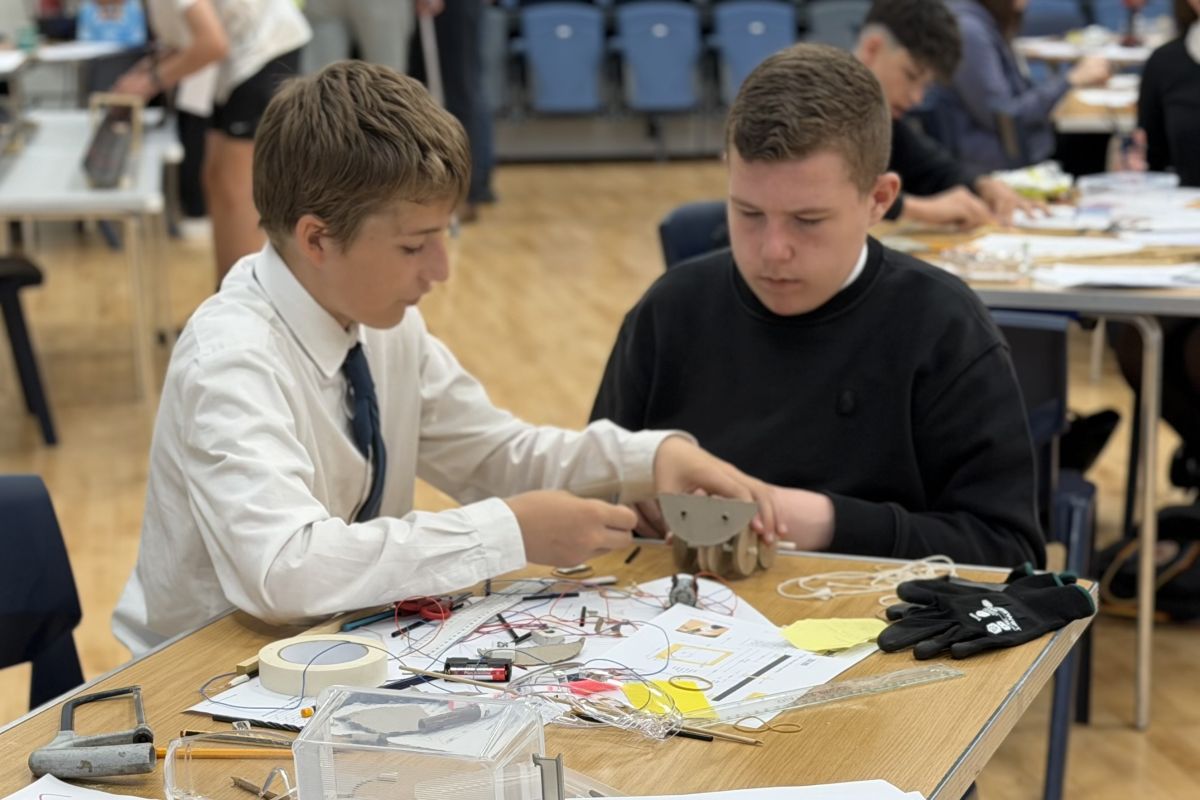
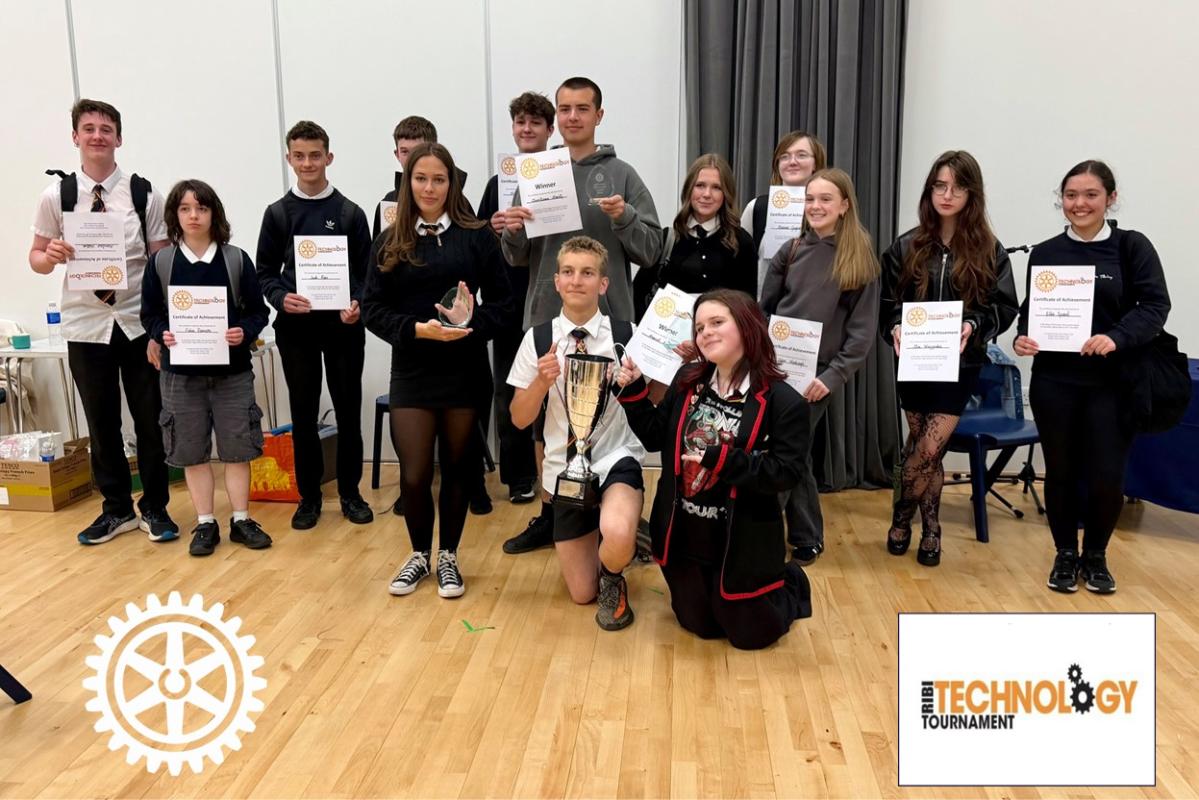
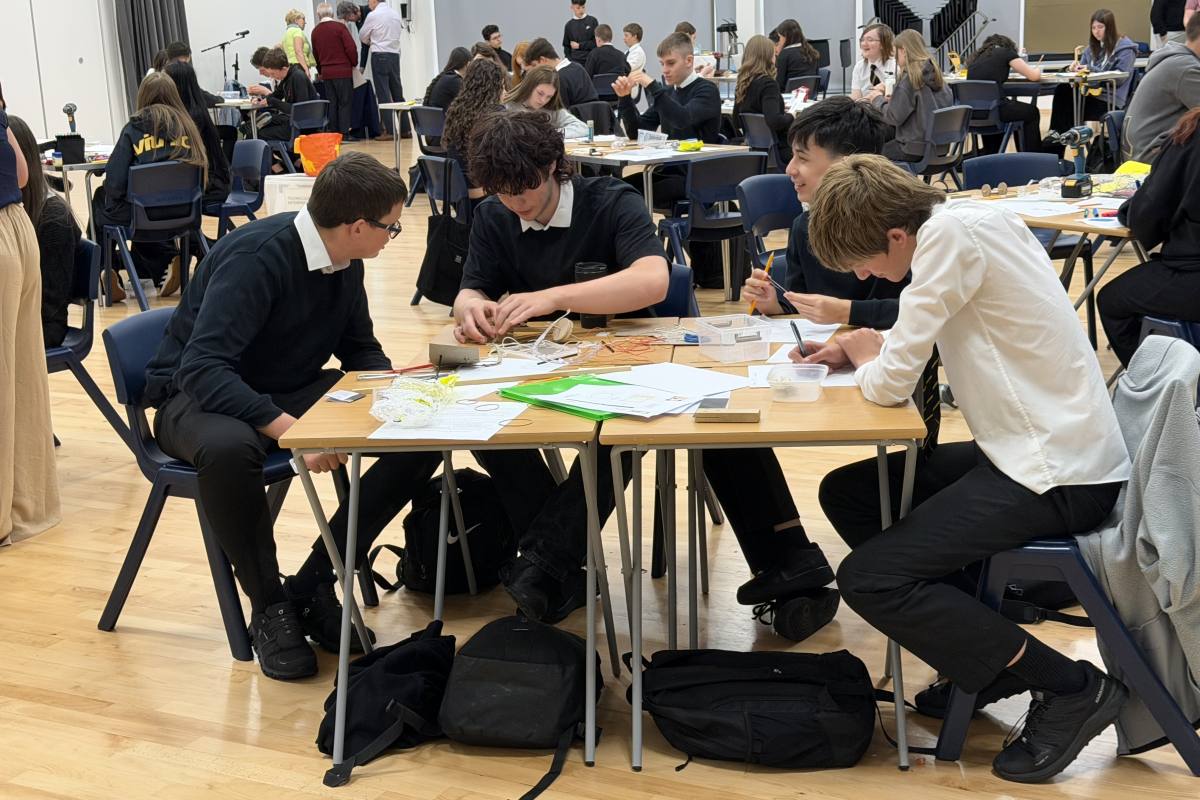
Teams from Dunfermline High School, Queen Anne High School, St Columba's RC High School and Woodmill High School took part, with four teams representing each school. Far from a straightforward exercise, the challenge demanded that pupils think and work like professional engineers - designing their vehicle within tight specifications, constructing it from a standard set of supplied materials, and then putting it through its paces on the test rig before the final assessment.
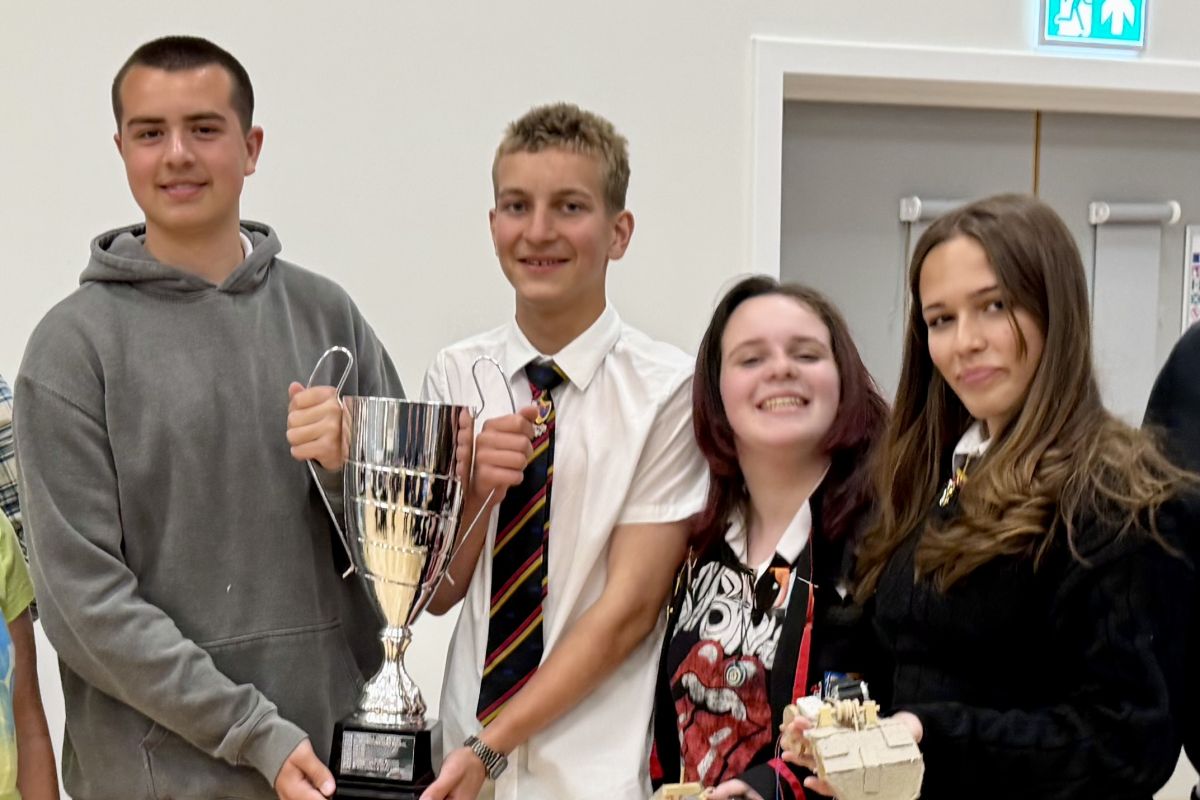
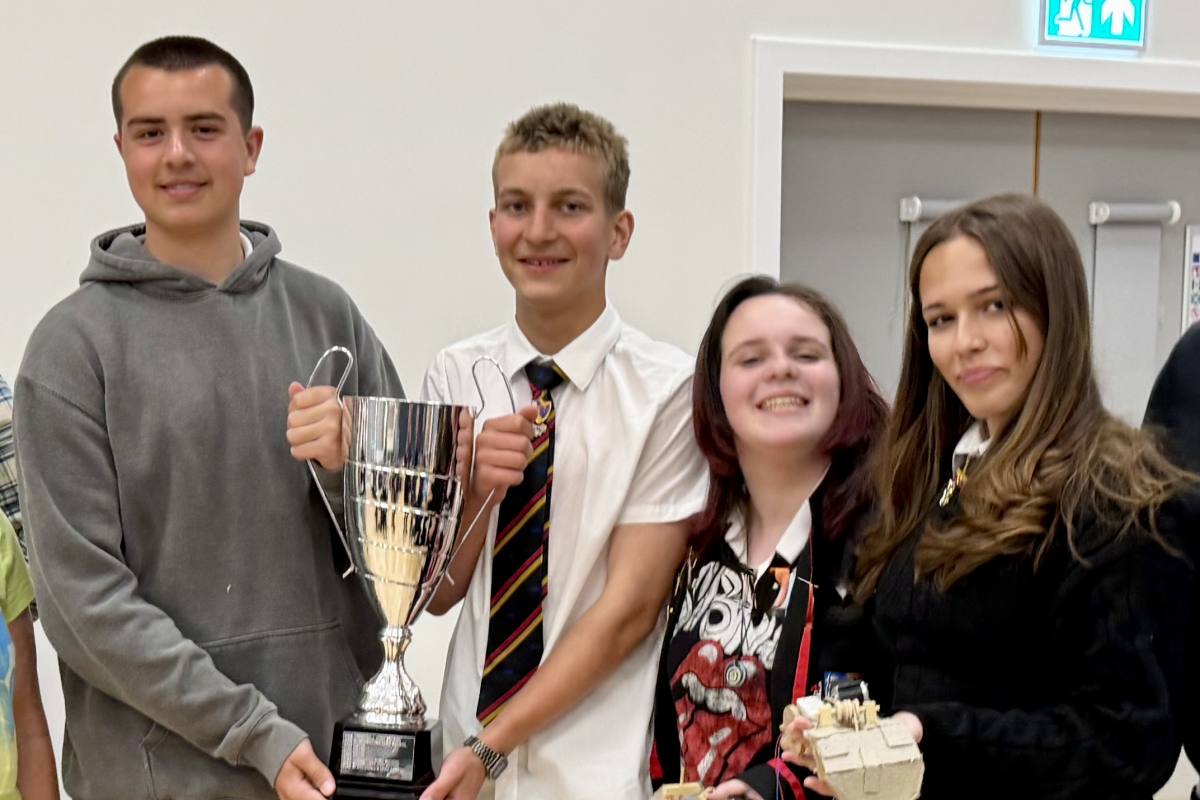
When the dust settled, it was a Queen Anne team who claimed the top prize. Marcel Kubacki, Scarlett Hean, Maia Phillips and Christiaan Maritz produced the standout vehicle of the day, earning first place ahead of two Woodmill High School teams who finished as joint runners-up.
Engineering Under Constraints
The build specification was demanding. Vehicles had to be four-wheeled, no longer than 200mm and no taller than 100mm. The motor speed had to be produced through a specific pulley arrangement - a 60mm pulley paired with a 20mm pulley on the same shaft, driving a second 20mm pulley on the drive axle. Vehicles also had to be controlled remotely from behind the start line using a simple electrical switch, and had to be able to pass under a bridge within the pipeline.
For the performance test, vehicles were placed on the start line, driven along the debris-filled pipeline until all obstacles had been cleared over the finish line, then reversed back to the start. Bonus points were on offer for completing the run in under ten seconds. Teams were also asked to decorate their vehicles with a logo promoting energy conservation - adding a design and communication dimension to the engineering task.
All of this had to be achieved using only the materials provided: grey board, wooden dowel, square wood, pulleys, MDF wheels, an electric motor, AA batteries and a selection of everyday items including elastic bands, drinking straws and thin string. Each team also compiled a Project Portfolio documenting their design work throughout the day.
More Than a Competition
For Design, Engineering and Technology teacher Mr McLean from Dunfermline High School, the value of the day went well beyond the results board:-
"It's quite different to what they would normally get to do on a normal school day," he said. "It gives them a chance to work in groups and also just to be in amongst different people from different schools and to make a bit of contact with some folk from outside of schools who maybe have done other things — and we could just give them a slightly different perspective than just seeing a teacher."
Mr McLean noted that the group he brought along were particularly well suited to the challenge, being accustomed to project-based learning. But for him, the real reward lay in pupils seeing the connection between what they learn in the classroom and the wider world.
"One of the key goals is to try and get this concept of: we're not just working in school for school's sake. We're trying to see about how what we teach them and the kind of tasks that we're doing within the building do have real world application. And you get a good feel for that by being involved in something like this."
Asked whether winning mattered, he was clear: "Yeah, 100% it's about being involved. The pupils I've brought certainly don't really have that competitive spirit about them - they're not too fussed about that. But actually getting to do all of this and see all the different ways that you can get this right, and the fact that there are lots of different solutions, I think it's really beneficial."
Organised by Local Rotary
The event was organised by the Rotary Clubs of Dunfermline, Dunfermline Carnegie and West Fife, continuing the national Rotary initiative to inspire young people to explore careers in engineering and technology through practical, real-world challenges.
With sixteen enthusiastic teams, four schools, and a winning vehicle that navigated a debris-filled pipeline with precision, the 2026 Rotary Technology Challenge made a compelling case for exactly that.
Link to 2025 Rotary Technology Challenge
Winners Record
2019 - Woodmill High School
2019 - Dunfermline High School
2020 - COVID
2021 - COVID
2022 - COVID
2023 - Woodmill High School
2024 - Queen Anne High School
2025 - St Columba's RC High School
2026 - Queen Anne High School
back to page above this...

Youth Competitions
back Primary Schools linked to Rotary Club of West Fife:- Blairhall, Cairneyhill, Carnock, Crossford, Camdean, Culross, Inzievar, Holy Name, Limekilns, Milesmark, St Serfs, Saline, Torryburn, Tulliallan. Secondary Schools:- Queen Anne and Woodmill