Eradicating Polio
Rotary's flagship humanitarian project is the eradication of Polio from the planet
Eradicating Polio
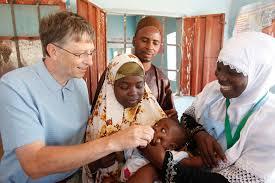
In 1979 Rotary embarked on the most ambitious health program in the history of humanity with a project to immunise 6 million children in The Phillipines from Polio.
This was the start of something special and in 1985 Rotary created the PolioPlus Program with a goal to erdaicate polio from the planet.
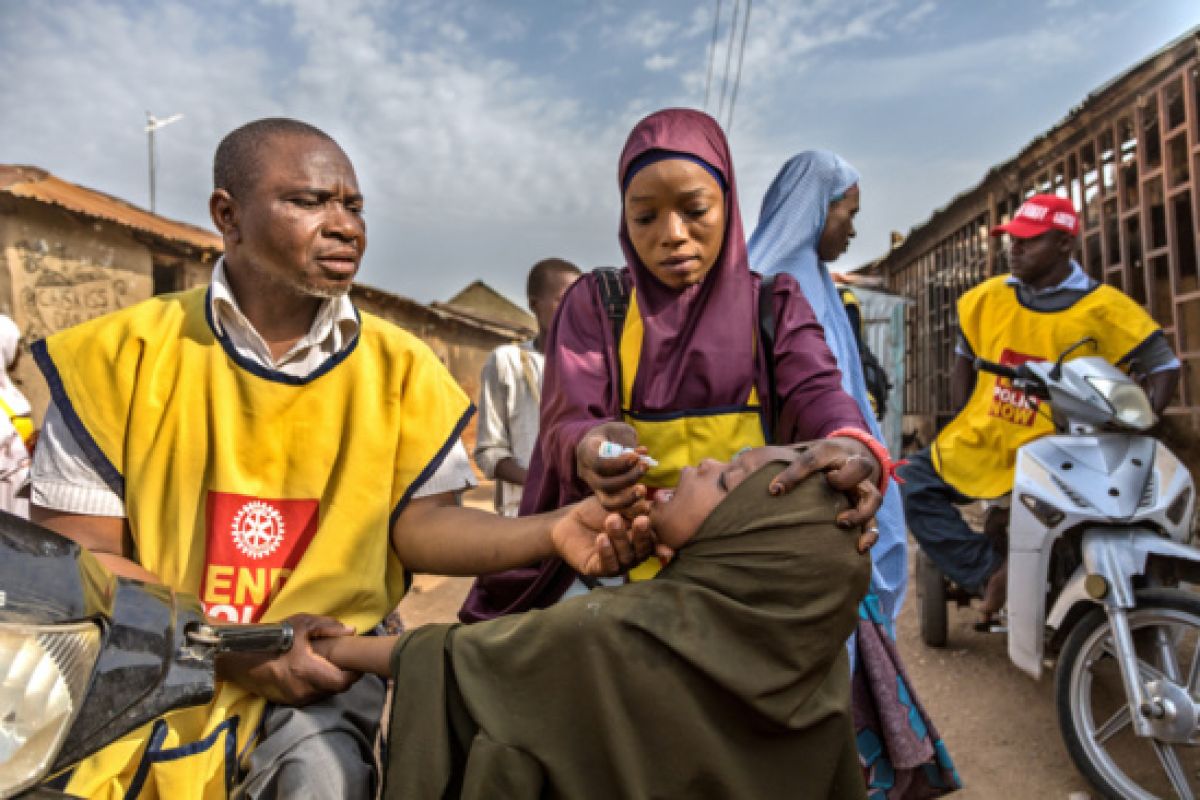
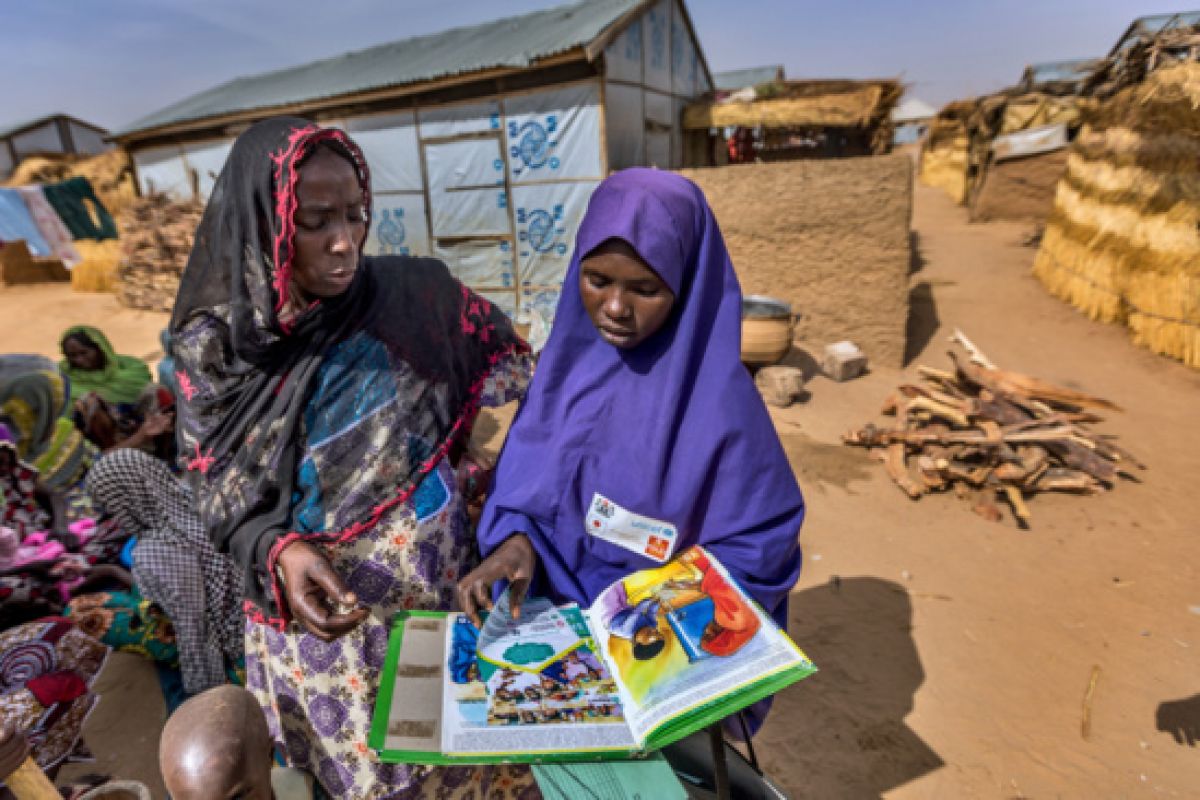
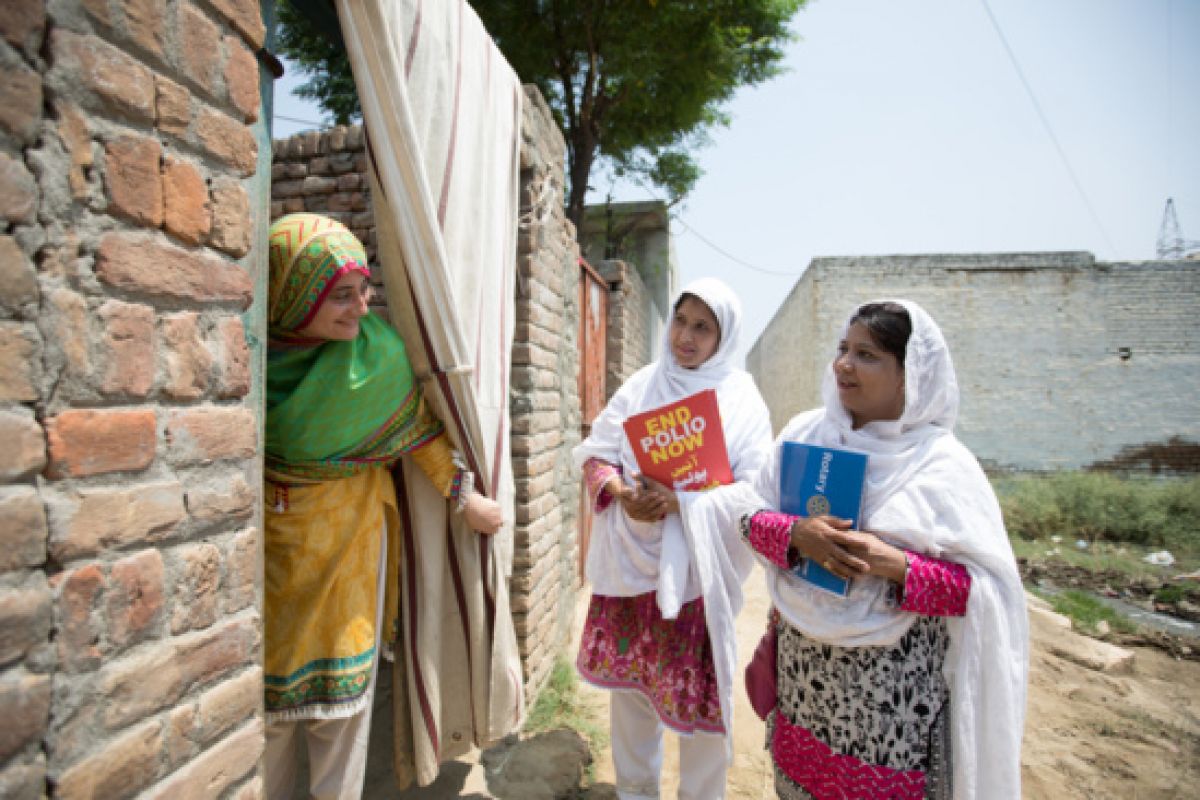
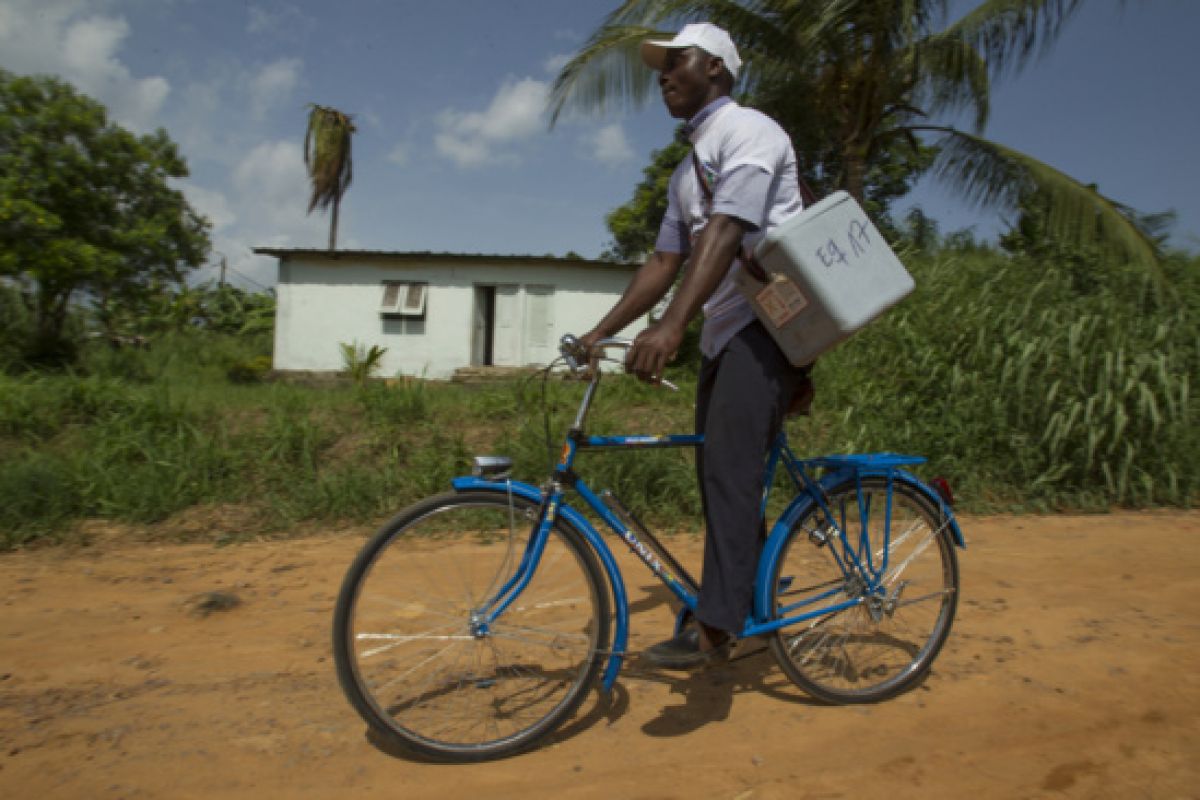
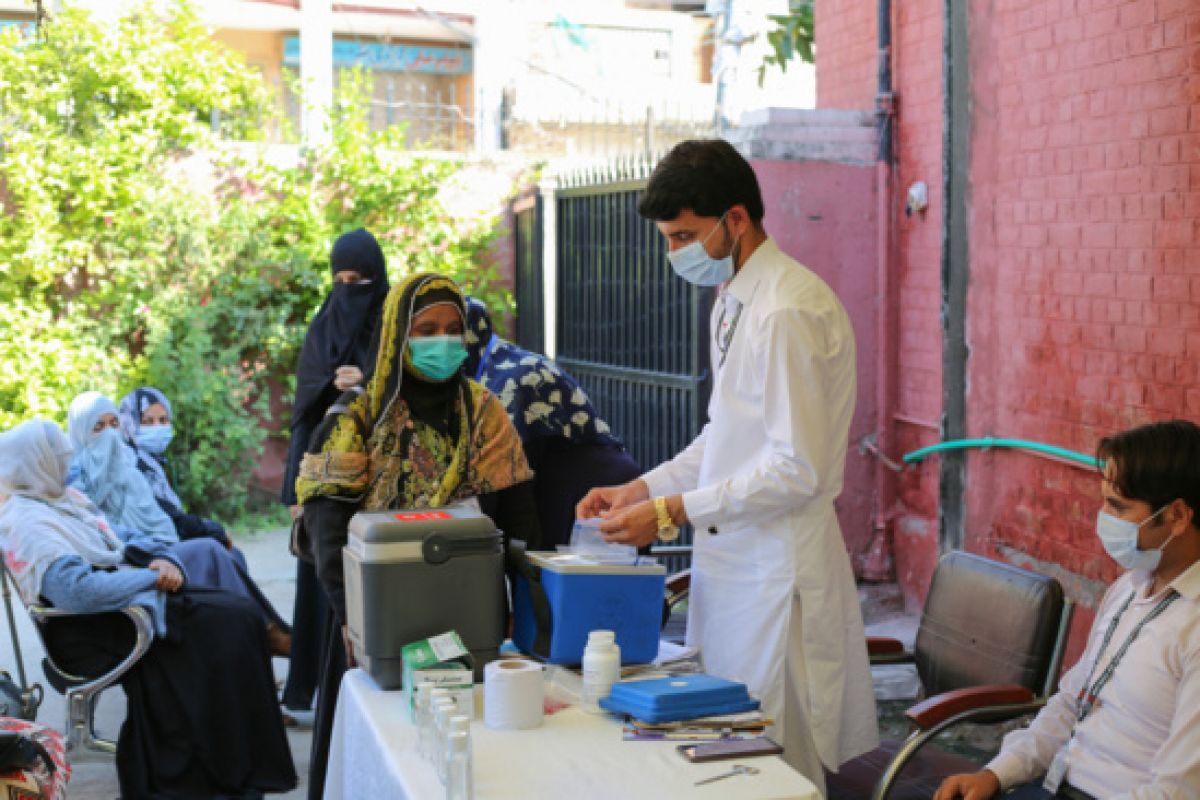
In the years that followed Rotary has created a network of monitoring stations across the World, inlisted millions of Rotarians and Health workers to administer the vaccines in often in hard to reach communities.
By 2000 Rotary and its partners had immunised a staggering 500 million children across the World.
In 1988 it was estimated there were over 350,000 cases of wild polio in 125 countries. Today there are less than 50 cases in only 2 countries.
To date Rotary has raised over $1 billion and its greatest benefactor Bill Gates using the resources of The Bill & Melinda Gates Foundation has donated a further $1 billion to the cause. But this is not enough.
Click here to learn about Rotary & The Fight against Polio
Although we are 'This Close' this is a marathon not a spint and the toughest part of any marathon is the final mile. We are well within the final mile but we must not lose sight of 'Our Promise to The Children of The World'
Our World is a far more dangerous place than at any time in recent history and Rotary does not shy away from the challenges of delivering vaccines in those small enclaves in some the most dangerous locations.
It is everyone's responsibility to 'Get the Job Done' so please help by donating what you can to finally eradication this horrendous disease.
Click here to learn about becoming a Rotarian and Doing Good in The World
'What We Do' Main Pages:
We aim to find and support opportunities to support local communities, including those in most need
more

Vision Service provision in Ghana is currently very low. This can impact significantly on quality of life or retaining employment
moreIntended to make it clearer to the public and members how to ask questions regarding the use of their data.
moreWe aim to support projects in countries which aim to improve health standards and the economic wellbeing of people.
more