Speaker Meeting Global Sight Solutions
Wed, Mar 4th 2026 at 7:00 pm - 9:00 pm
OUr Speaker this week is Martin Wyatt from the RC of Ashford Talking about "Global Sight Solutions"
Rotary Club of Senlac St Leonards
Global Sight Solutions
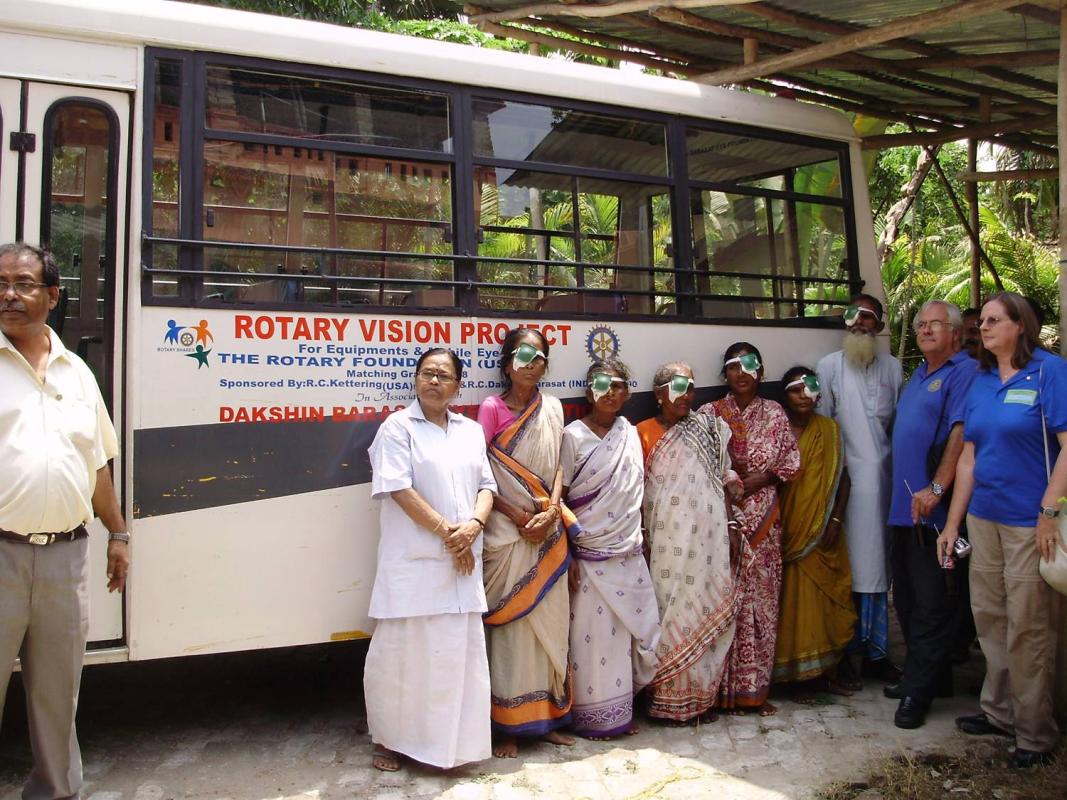
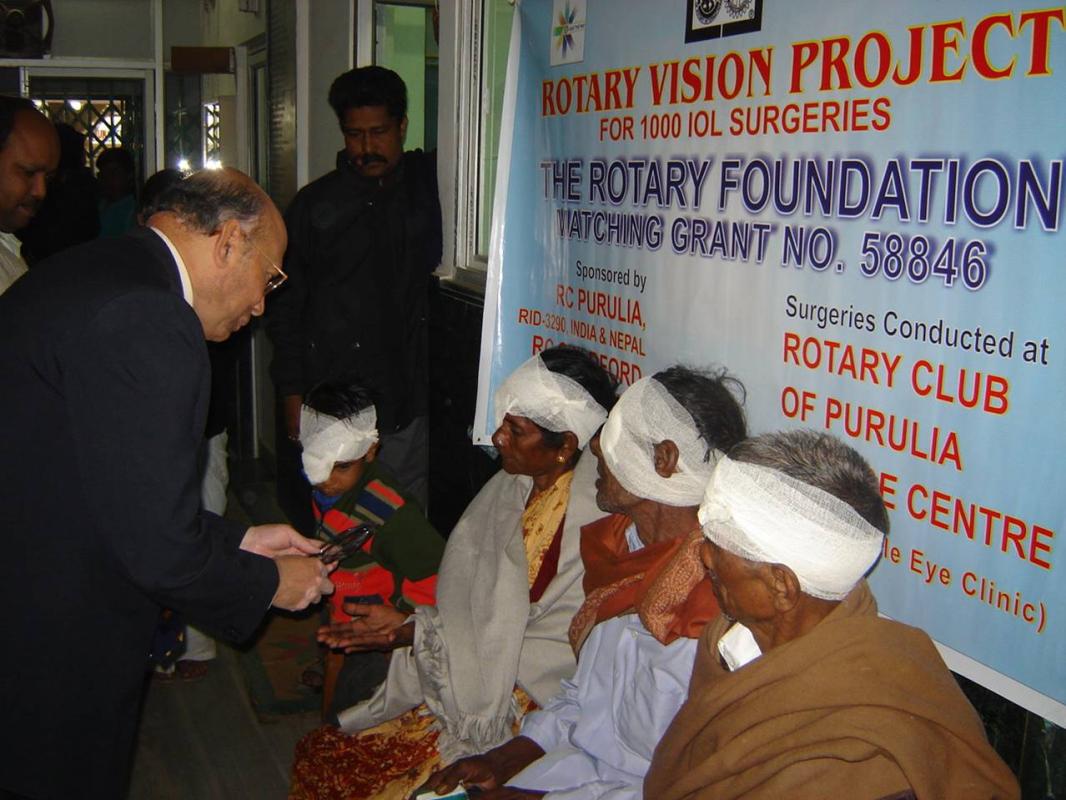
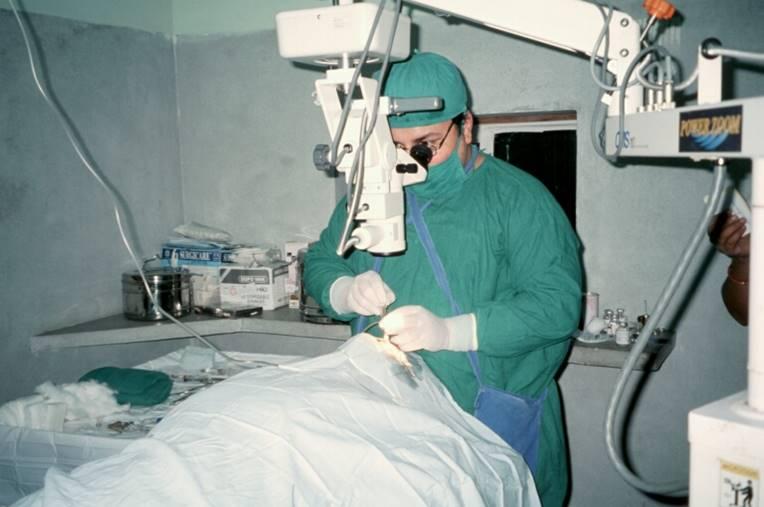
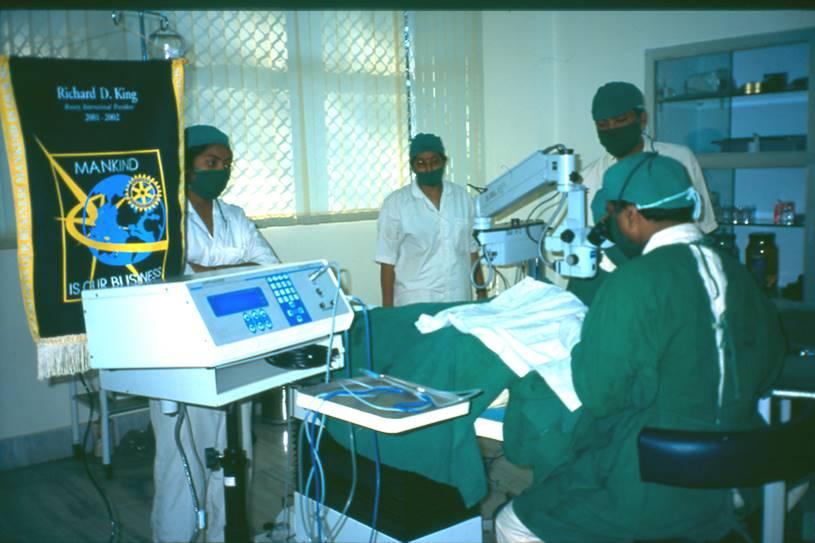
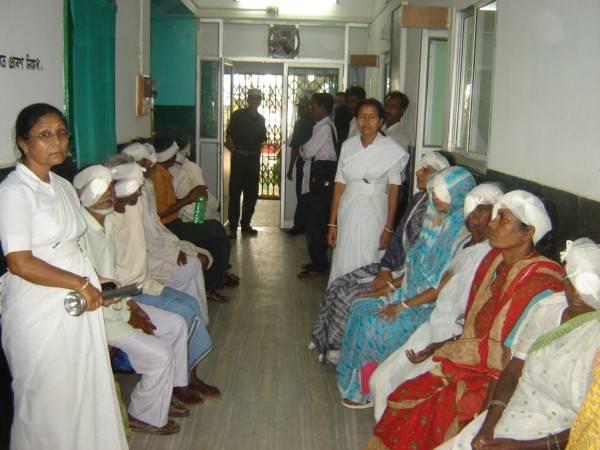
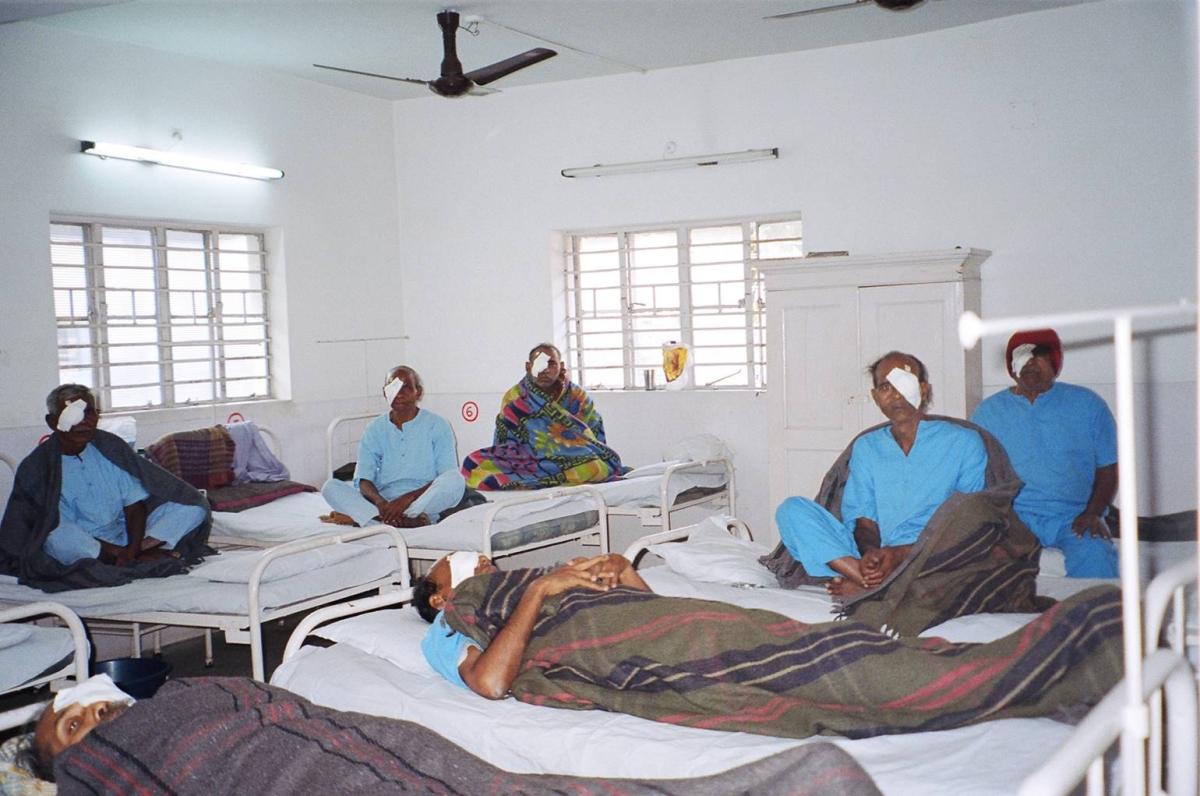
who are too poor to access solutions to a variety of sight problems. Within that number are nearly 50 million people in need of surgical procedures, typically cataract operations; these are known as the avoidably blind.
and surgical ophthalmic procedures. While all eye conditions can be assessed the main focus is on avoidable blindness such as cataracts, glaucoma, retinal detachment and diabetic retinopathy.
GSS operates an equal funding partnership between itself, the local Rotary club, other donors in the areas of need and the Rotary Foundation; this Rotary Global Grant process can see a UK donation increased sixfold. A donation of £5 will provide a cataract operation! GSS requires the local clubs to provide the building, to maintain all medical units and appoint independent auditors. All eye hospitals must achieve financial independence and are expected to become self-funding and independent of donations; sources of income may be from private patients, the establishment of pharmacies, optical shops and well-man clinics. Surgeons are only paid expenses for working on the poor.
Like all charities, Global Sight Solutions needs funds; the charity wants to expand its work and needs more surgical instruments and equipment and eye buses. For more information have a look at the web-site www.globalsightsolutions.org
Contact Kim Hollis about this page:
'What We Do' Main Pages:
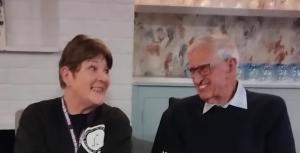
At our regular Speaker Meeting Trudy Hampton gave an informative and sometimes harrowing talk about the homeless in our surrounding area.
more
.jpg)
The Wendy Cocker Award for Endeavour for 2025 awarded to Chloe Considine of Sidley Cricket Club.
more.jpg)
Presentations to benificiaries of the 2025 Car Show Warming Up the Homeless, Rye and District Community Transport and the Senlac St Leonards’ Yellowmen.
more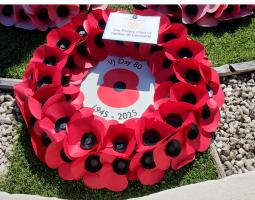
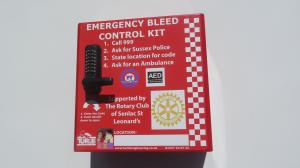
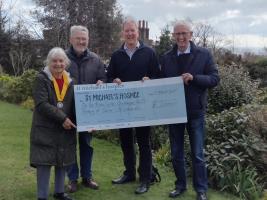
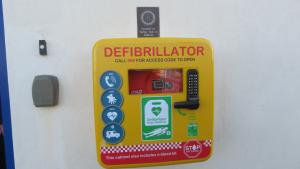
The vandalised defibrillator cabinet at Galley Hill, Bexhill, has been replaced by The Rotary Club of Senlac St Leonards ...
more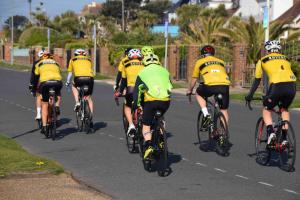
The annual “On-Yer Bike” Castle Challenge, organised by the Rotary Club of Senlac St Leonards, took place on Sunday, 27th April with routes to Pevensey, Magham Down and Beachy Head. Here are some of the photos of the day....
more
Are you a charity or organisation that has an ongoing or potential project to help improve the community and the environment?
moreChartered in 1985, we operate within the Hastings and Rother District of East Sussex, England
more

The Rotary Foundation is the Rotary Charity providing a range of Grants for projects aligning with Rotary's Areas of Focus as well as coordinating our flagship project the eradication of Polio from the World.
more