Senagalese Experience
Tue, Apr 14th 2026 at 8:50 pm- Tue, Jun 30th 2026 - 10:50 pm
Isabella Hill gave an account of her experiences in Senegal as a student from October 2024 until August 2025. While she went to teach English, she learnt much about the people and culture of Senegal which widened her horizons made her more adaptable.
Senegal Experience by Isabella Hill.
Isabella recently gave a presentation to the club about her experience of Senegal where she went to teach English from October 2024 until August 2025. What she experienced was very different to what she expected and she learnt much about the people and culture of the country.
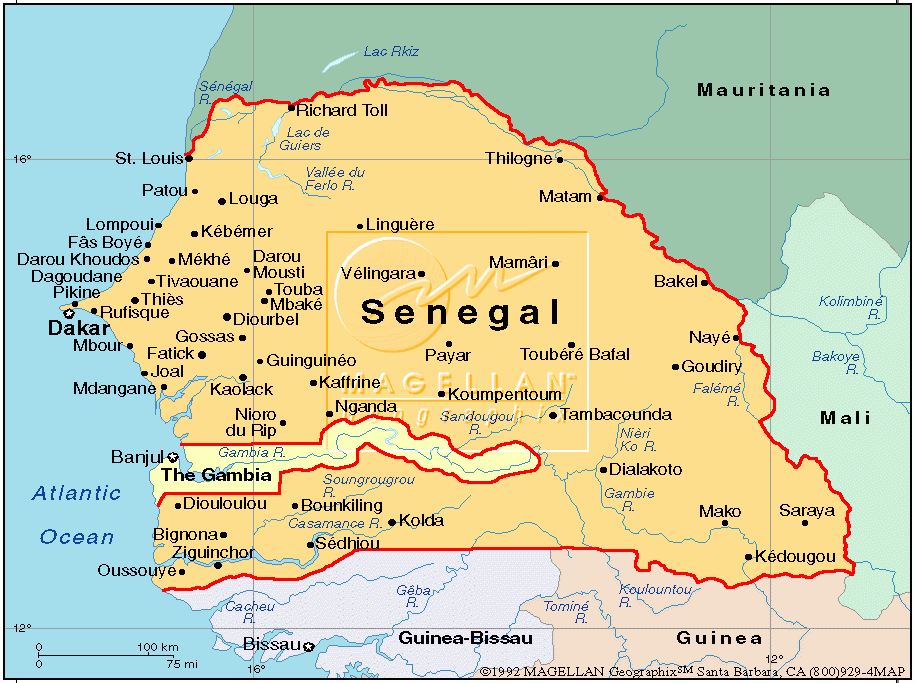
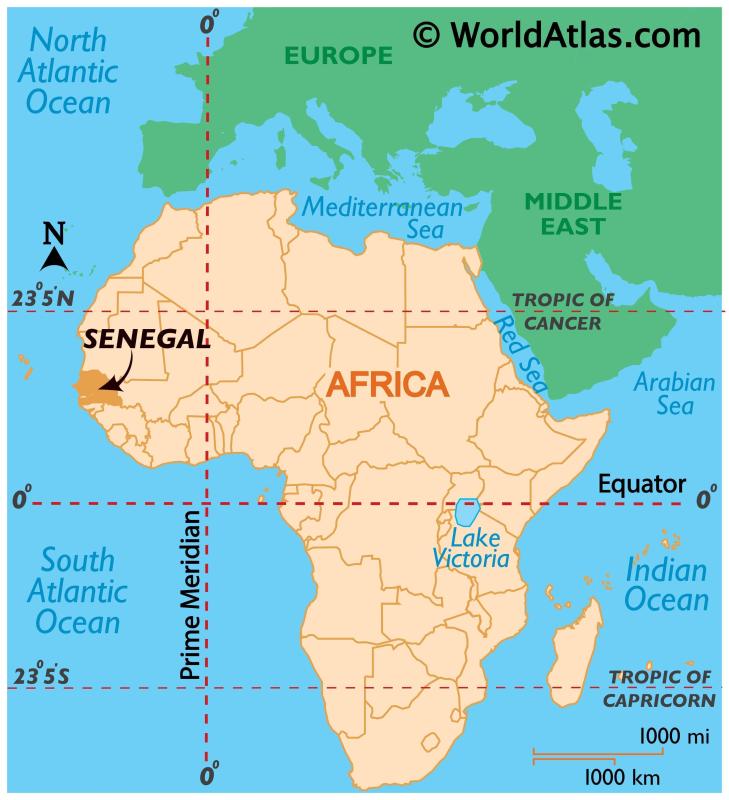
Senegal is the westernmost country in West Africa with the Atlantic to the west, Mauritania to the north, Mali to the east, Guinea to the south-east and Guinea Bassau to the south-west. Senegal almost surrounds Gambia which occupies a narrow strip of land on either side of the River Gambia.
The first photograph of the presentation was of an old car with a young boy called Russell playing nearby. He was the youngest child of the family Isabella stayed with at Kaolack, a town known for its heat. Here Isabella began to learn about the culture and religion of the country, where 97% of people are Moslem. Prayers are said five times a day and in Ramadan fasting was not easy for Isabella at times. One of the Moslem celebrations was Ngerta, a big party soon after the birth of a baby when the father chooses the name of the child and the wife has no say.
Another aspect of Moslem culture was the schools known as Daara for little boys from the age of three where they are taught the Quran and then have to memorise it. These Quaranic schools are quite strict and the emphasis on religion results in the boys being behind in other subjects, such as maths and sciences, by the time they are 12 or 13.
While Isabella went to teach basic English she ended up teaching art and computer science as well. Lessons were in the evening and on five nights a week and in a social centre for all ages rather than a school. The first lesson given by Isabella and her colleague Lottie was a bit of a disaster and they soon found that a formal approach wasn’t going to work as many of the students were their age or older. In order to gain their respect in the teaching of basic English, they had to make it fun and so for the second lesson they used activities and groups and a lot of signing and actions.
Only two of the students spoke English, some had only a few words and some spoke no English. Though Senegal was a French Colony until 1960, only a minority of people spoke French. More spoke Arabic and some a local language called Puular. Isabella and Lottie therefore had to use grammar worksheets in four languages and found the Arabic extremely difficult to translate. By the end of her stay Isabella could speak about everyday things in Arabic, the most common language.
They were also involved in projects such as the circuit club and gardening club. The latter grew melons, beans and other vegetables. They would also follow donkeys to collect their poo and use it to improve the fertility of the soil.
Where food was concerned fish and rice were the staple of their diet as well as vegetables. Isabella did not like the food to begin with but soon came to enjoy it. Most people ate their food sitting on the floor using their hands to wrap up the food and eat it. Only men and guests sat on chairs to eat.
The family that Isabella and Lottie lived with became their friends from whom they drew strength and were helped to cope with their new situation. They felt a great togetherness with them. An aunt of the family, who came from Gambia, a Christian country, made Christmas dinner for the family and a local shopkeeper supplied free food.
Isabella ended by telling a funny story. She and Lottie were in town and asked a street vendor for directions to where they were going for lunch. On the way back they bought a bag of what looked like sweets from the same vendor. Lottie tried one and spat it out but Isabella tried one and liked it. She had some and after a while became ill and wasn’t fit for work. Eventually she went to a doctor. A neighbour laughed when she was the bag of food and told Isabella not to eat it: she recovered once she had stopped eating the food. The father of the host family was horrified as Isabella had been eating Viagra.
In answering the question about what she had learnt from her Senegal experience, Isabella mentioned that she had learnt that cultures are different, not superior or inferior to one another. The Senegalese were happy with their lives which were very different from English culture. In a society where there is intolerance Isabella found it a great benefit not to take offence. Saying please and thank you, for example, is not part of Senegalese culture and she found this difficult at first but learned tolerance. She came to realize that understanding intentions is what is important whatever the culture and the different opinions of people. She also learnt to get on well with many different people and to deal with situations which required adaptability and resourcefulness.
'What We Do' Main Pages:

March/April Newsletter for 2026
more